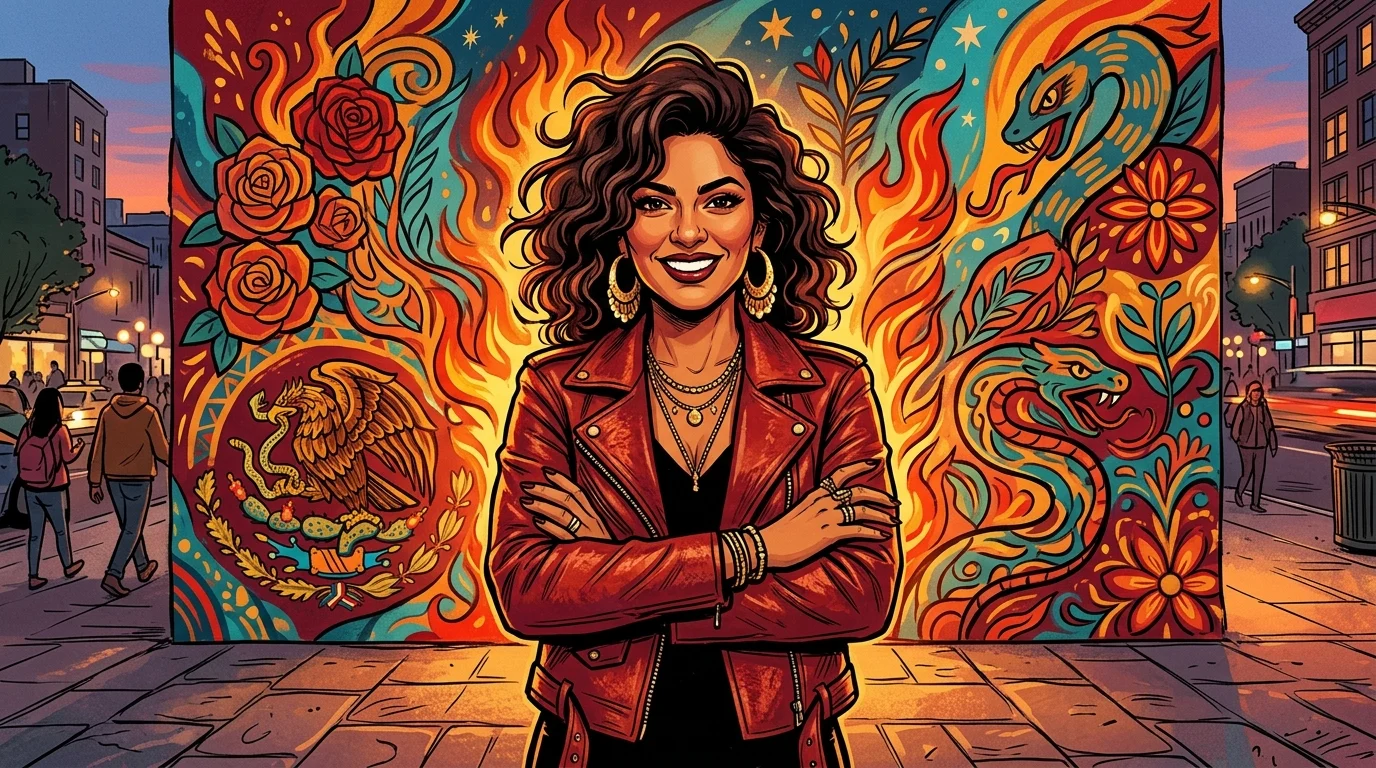
Quick Ans: The chingona meaning is one of the most empowering terms in Spanish slang. In casual conversations and on social media, “chingona” describes a woman who is strong, capable, and unapologetically herself. This single word carries cultural weight, feminist energy, and deep roots in Mexican and Chicano communities. It appears in songs, memes, tattoos, and everyday speech across Latin America and beyond.
Understanding slang terms like chingona helps connect language to culture. New words appear constantly, but some carry meanings that transcend simple translation. Chingona is a perfect example. It has moved from street slang into mainstream empowerment vocabulary. Knowing how to use it correctly helps you appreciate its power and avoid misunderstandings.
What Does Chingona Mean?
Chingona is a Spanish slang term that describes a woman who is tough, determined, and highly capable. It means she can handle anything life throws at her. She is a badass in the most respectful sense of the word.
The term belongs to casual and familiar communication. It fits perfectly in conversations among friends, in music lyrics, and on social media. It also appears in feminist movements and empowerment circles. The tone is usually positive and admiring.
The masculine form is chingón. A man who is chingón is also tough and skilled. But the feminine form carries extra weight because it challenges traditional gender expectations. A chingona is not just strong. She is strong in a world that often tells women to be quiet and compliant.
Chingona Meaning in English
The chingona meaning in English is difficult to capture in one word. Common translations include “badass woman,” “boss lady,” “tough chick,” or “force of nature.” None of these fully capture the cultural depth of the term.
Part of the problem is that “chingona” comes from the verb chingar, which has many meanings in Mexican Spanish. It can mean to fight, to bother, to screw over, or to have sex. The word is considered vulgar in some contexts. But when used as “chingona,” it transforms into a compliment.
A chingona is someone who gets things done. She does not wait for permission. She takes control of her life and refuses to be diminished.
Chingona Origin and Cultural Roots
The chingona origin traces back to Mexican Spanish and Chicano culture. The root word chingar has been part of Mexican slang for centuries. It appears in proverbs, songs, and everyday speech throughout Mexico.
The term gained wider recognition through feminist movements in Mexico and the United States. Women began reclaiming the word as a badge of honor. Instead of being insulted for being too loud or too strong, they embraced the label. “Soy chingona” became a declaration of pride.
Chicana writers and artists played a major role in popularizing the term. They used it in poetry, visual art, and activism. The word became a symbol of resistance against patriarchy and machismo. Today it appears on t-shirts, mugs, and social media posts celebrating female strength.
How to Use Chingona in Conversations
Chingona works in many different situations. Its flexibility is one reason it became so popular.
The most common usage is praising a woman for her strength or achievements. A friend might say “Eres una chingona” to celebrate a promotion, a graduation, or simply surviving a hard week. The tone is warm and admiring.
Another common usage is self-affirmation. A woman might post “Chingona mode activated” before a big presentation or a difficult conversation. The phrase signals confidence and readiness.
Chingona also appears in playful teasing among friends. A group might call one member “la chingona” because she always takes charge. The tone is affectionate rather than critical.
The term can also describe a woman who is intimidating or fierce. A boss who demands excellence might be called a chingona. The meaning shifts between admiration and fear depending on context.
Chingona on TikTok and Social Media
Chingona is everywhere on social media. It appears in TikTok videos, Instagram captions, Twitter posts, and YouTube comments. The word fits the fast pace of these platforms because it is short, punchy, and emotionally resonant.
On TikTok, chingona often appears in videos about female empowerment. Creators share stories of overcoming obstacles and end with “soy chingona” or “chingona vibes only.” The term becomes a rallying cry for viewers.
On Instagram, chingona shows up in captions under photos of women achieving goals. Influencers and regular users alike use it to celebrate confidence and self-love. A caption like “Chingona energy today” creates a bold, unapologetic tone.
On Twitter, chingona is standard vocabulary in feminist discussions. Users deploy it to praise women who speak up, fight back, or simply refuse to be silenced. The term carries political weight in these contexts.
Chingona vs Chingón: What Is the Difference?
Many people wonder about the difference between chingona and chingón. Both words describe someone impressive, but they differ in gender and cultural weight.
Chingón is the masculine form. It describes a man who is skilled, tough, or dominant. The word carries respect and sometimes fear. A chingón is someone you want on your side.
Chingona is the feminine form. It describes a woman with the same qualities. But the term carries extra significance because it challenges traditional gender roles. A woman who is chingona is often seen as rebellious or revolutionary.
Both words can be used as compliments or insults depending on tone. Calling a man chingón is usually positive. Calling a woman chingona can be positive or negative depending on who is speaking and why. In feminist contexts, it is always a compliment.
When Not to Use Chingona
Chingona does not belong in every conversation. Its vulgar roots make it unsuitable for formal or professional settings.
Avoid using chingona in work emails, academic papers, business reports, or any communication with people you do not know well. The term can come across as crude or disrespectful in these contexts. A client or professor may not appreciate the informal tone.
There is also a risk of cultural misinterpretation. In some Spanish speaking countries, chingona carries stronger vulgar connotations than in others. In Mexico, the term is common and often positive. And in other regions, it may be considered more offensive.
Non-Spanish speakers should use the term with caution. Using slang from another culture without understanding its nuances can seem appropriative or mocking. If you are learning Spanish, wait until you have a strong grasp of the language and culture before using chingona casually.
Alternative Meanings of Chingona
While “badass woman” is the dominant meaning, chingona carries other definitions in specific contexts. Knowing these alternatives helps avoid misunderstandings.
In some contexts, chingona can mean a woman who is sexually assertive. This usage is less common in empowerment circles but still appears in casual speech. The tone varies between playful and crude.
In Mexican politics, chingona has been used as a slogan for female politicians. It signals strength and independence. Some candidates embrace the term to connect with younger voters.
In music, Chingona appears in song titles and lyrics. Artists use it to celebrate female power and resilience. The term adds energy and attitude to the music.
In fashion, Chingona appears on t-shirts, hats, and accessories. It has become a brand of empowerment. Wearing the word signals confidence and solidarity with other women.
Why Chingona Became Popular
Chingona grew alongside the rise of feminist movements in Latin America and the United States. As women began demanding equality and respect, they needed words that captured their strength. Chingona was a natural fit.
The term also benefited from social media. Platforms like TikTok and Instagram gave women a space to share their stories and celebrate each other. Chingona became a hashtag, a caption, and a rallying cry.
Cultural icons played a role as well. Actresses, singers, and activists used the term in interviews and performances. Their visibility helped spread the word to new audiences.
The term resonates because it is unapologetic. It does not ask for permission. It does not soften its edges. Chingona is a word that takes up space, and that is exactly why women love it.
FAQs
What does chingona mean?
Chingona describes a woman who is strong, capable, and tough. It means she can handle anything and refuses to be diminished. The term is usually a compliment in casual and feminist contexts.
Is chingona a bad word?
Chingona comes from the vulgar verb chingar, so it carries crude roots. In casual settings, it is usually positive. In formal settings, it is inappropriate. Context and tone determine whether it is offensive.
What does chingona mean in English?
Chingona translates roughly to “badass woman,” “boss lady,” or “tough chick.” No single English word captures its full cultural weight. It implies strength, resilience, and unapologetic confidence.
Is chingona a compliment?
Yes. In most modern contexts, chingona is a compliment. It praises a woman for her strength and capability. However, tone matters. It can be used sarcastically or as an insult in some situations.
What is the difference between chingona and chingón?
Chingona is feminine. Chingón is masculine. Both describe someone impressive and tough. Chingona carries extra cultural weight because it challenges traditional gender roles.
Can men be called chingona?
No. Chingona is specifically feminine. Men are called chingón. Using the feminine form for a man would be unusual and potentially insulting.
Where does chingona come from?
Chingona comes from Mexican Spanish and Chicano culture. It derives from the verb chingar, which has many meanings. The term gained popularity through feminist movements and social media.
Is chingona used in other countries?
Chingona is most common in Mexico and among Chicano communities in the United States. It has spread to other Spanish speaking countries through music, social media, and pop culture.
Can I use chingona if I am not Spanish speaking?
Use it with caution. Slang carries cultural weight. If you are learning Spanish, wait until you understand the nuances before using chingona casually. Respect matters more than slang.
What does “soy chingona” mean?
“Soy chingona” means “I am a badass woman.” It is a self-affirmation. Women use it to declare confidence and strength. It is a statement of pride and resilience.
Conclusion
The chingona meaning is powerful and layered. It describes a woman who is strong, capable, and unapologetically herself. From its roots in Mexican Spanish to its rise as a feminist rallying cry, the term has traveled far. It appears in songs, tattoos, social media posts, and everyday conversations. Whether you hear it as a compliment from a friend or see it on a t-shirt, chingona carries weight. It celebrates resilience, confidence, and the refusal to be silenced. Use it with respect, and it will always land with power.