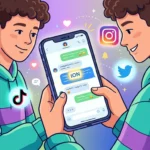
Quick Answers: The sike meaning depends entirely on context, but unlike ordinary words, this is an interjection with a playful history. It describes a specific kind of reversal the kind that leaves you laughing, groaning, or shaking your head. This guide breaks down every major meaning and usage so you can wield the word like a native speaker.
Understanding playful vocabulary has become a daily necessity for anyone who wants to communicate with precision online. New slang appears every week; nevertheless, some words endure for decades. Sike is a perfect example of this longevity. It started as a childhood taunt in American neighborhoods and now carries a precise comedic weight. It describes a reversal so sudden that it borders on mischief. Knowing when to use it can save you from falling for a joke.
The Core Sike Meaning
In everyday conversation, sike most often carries one primary meaning. It describes a sudden reversal of a statement or expectation. You are not merely joking. You are utterly retracting what you just said, as if the previous sentence never existed.
The most widespread definition is “just kidding” or “psyched you out.” This phrase captures a state of playful deception. You are not just teasing. You are completely flipping the meaning of your previous words. People use it after fake insults, fake confessions, or fake announcements. The word says more than “just kidding” ever could.
A lighter variation in texting is “sike, not really.” This version expresses a dramatic retraction, often with a humorous tone. If someone reveals a ridiculous claim or makes a bold statement, a friend might reply with “sike” to signal that the previous message was a joke. The humor comes from how abrupt it sounds. One word replaces an entire paragraph of clarification.
Both usages share a common thread. They describe a sudden reversal. One is a reversal of an insult. The other is a reversal of a claim.
Sike on Social Media and in Memes
Sike takes on a visual life on social media. There, it often accompanies bait-and-switch posts and reaction images. A picture of someone smiling mischievously is captioned “sike.” This is the visual equivalent of the word.
The “sike meme” has become a cultural phenomenon in its own right. People use it to react to fake news, prank videos, or unexpected plot twists. The posts are mischievous, playful, and often hilarious. Being siked is a shared experience. Seeing someone else’s sike reaction validates your own.
In comment sections and forums, sike often means “gotcha.” People use it as a self-aware wink. It signals that the content was a joke all along. The irony of using a word to describe being tricked is part of the charm. It also protects the person from seeming too gullible. If the trick turns out to be obvious, the reaction was just a joke anyway.
Another variation exists in gaming and streaming. Sike can describe a fake-out move or a deceptive play. This usage appears in response to a clutch reversal or a surprising comeback. It signals genuine, unfiltered mischief in a playful, low-pressure way. The person is testing the waters of deception without diving into cruelty.
How to Tell Which Meaning Is Being Used
Context is everything with this word. The setting and tone reveal the intended meaning before the word does.
If the message follows a bold claim or a fake insult, the core meaning is likely. Phrases like “I’m so sike right now” or “Sike, you thought” point to the “just kidding” definition. These messages often appear after pranks, teases, or any event that reverses expectations. The tone is usually playful or self-deprecating.
When sike appears in a meme or prank video, the visual meaning usually applies. Captions like “When you fall for it” or “My face right now” clearly refer to the expression of trickery. The presence of an image or a reference to a prank distinguishes this usage. Mentions of gotchas or fake-outs also point in this direction.
A dating bio that simply lists “sike” among other quirky phrases likely uses the “playful trickster” definition. The placement within a profile, rather than in a conversation, is the giveaway. Look for other personality signals like humor or self-awareness.
If the message sounds flirtatious and appears after a compliment or a sweet exchange, the “just kidding” meaning becomes possible. This usage often follows a fake confession or a teasing remark. The tone is softer and more hopeful than the other definitions.
When Not to Use Sike
Sike does not belong in every conversation. Its most common meaning contains implied mischief and expresses a playful reversal. Using it at work, in school threads, or with people you do not know well can come across as rude or unprofessional.
There is also a serious meaning to consider. Sike is not a medical term; however, it can be confused with genuine psychological conditions. If someone is discussing health or illness, treating sike as casual slang can seem dismissive of a real struggle. It is a word for teasing, not for clinical deception.
Other professional contexts use playful language differently. In journalism, sike can appear in quotes but rarely in the reporter’s own voice. Each field has its own vocabulary, and the casual version rarely crosses into these spaces.
The safest approach is to match the register of the conversation. Playful words belong in casual chats with friends. Formal writing and professional communication call for clarity over mischief.
Sike vs Similar Words
Several other words overlap with sike in meaning. Understanding the differences helps avoid confusion.
Just kidding means “I was only joking.” It is slightly more polite and more explicit. Someone might say “just kidding” after a mild tease, but sike after a bold prank. The distinction is small but important for anyone choosing the right word.
Psych means “to trick or deceive.” It implies a deliberate attempt to mislead. Sike is more playful and more abrupt. Psych is what happens before the reveal. Sike is what happens at the reveal.
Gotcha means “I have tricked you.” It implies a successful deception. Sike is more self-contained and more theatrical. Gotcha is what you say when someone falls for it. Sike is what you say when you reveal it.
Fooled means “deceived or tricked.” It implies a completed action. Sike is more immediate and more verbal. Fooled is what happened to you. Sike is what happened because of you.
Why Sike Became Popular
The word sike grew alongside a broader cultural love of playful language. Social media rewarded strong reactions. A comment that said “just kidding” got ignored. A comment that said “sike” got likes. The word captured a feeling that felt too small to explain simply.
Prank culture and meme trends have made playful vocabulary more common on social platforms. People share their jokes, their fake-outs, and their everyday mischiefs in ways previous generations kept private. Sike gave this generation a quick label for a specific kind of reversal. It was not quite a lie.
The word also spread through music and journalism. It appeared in songs, articles, and speeches. One syllable did the job better than a paragraph of explanation. It also created an in-group signal. Those who understood the word felt a small connection with the person using it.
Regional and Platform Variations
Sike does not mean the same thing everywhere. Platform culture shapes how the word is used.
On TikTok, the prank meaning dominates. Comments sections often fill with “sike” under videos about fake news, pranks, or unexpected reversals. The word functions as a form of solidarity. Strangers use it to say “I fell for it too” without writing a long response.
On Instagram, the visual meaning dominates. Users talk about their sike reactions, post memes about being siked, and joke about the content they see there. The word has become inseparable from the platform’s prank culture.
On Twitter and X, the dramatic meaning dominates. Tweets often fill with “SIKE” under posts about politics, celebrity gossip, or unbelievable events. The word functions as a form of solidarity. Strangers use it to signal that they see through the joke.
In group chats among close friends, any of the meanings can appear. The shared context makes the intended definition obvious. Outsiders reading the conversation later might struggle, but the participants never pause to clarify.
FAQs
What does sike mean?
Sike means “just kidding” or “psyched you out.”
Is sike a bad word?
No, sike is not profane.
What does sike mean on Instagram?
On Instagram, sike refers to a playful reaction to prank content.
What does sike mean in texting?
In texting, sike usually means “just kidding.”
Can sike mean something romantic?
Yes, sike can mean “just kidding” after a fake confession.
What is the difference between sike and psych?
Sike is the playful reveal; psych is the deliberate trick.
Does sike have a medical meaning?
No, sike is not a medical term.
Is sike safe to use in professional settings?
No, sike does not belong in professional communication.
Why do people say sike on TikTok?
On TikTok, sike appears in comments under prank videos.
How do I know which sike meaning is being used?
Look at the platform, the tone, and the surrounding words.
Conclusion
The sike meaning shifts with every context. In a text after a fake insult, it means just kidding. On Instagram, it points to a playful prank meme. In a dating bio, it signals a playful personality. In formal writing, it may seem out of place. The only way to know which meaning applies is to read the setting, the tone, and the relationship between the people involved. When in doubt, a simple question clears up any confusion faster than guessing.
Language evolves quickly, and sike may take on new shades of meaning in the coming years. For now, these definitions cover almost every situation you will encounter. Learn them once, and you will never be lost when this word appears in your feed.