Quick Ans: The saja meaning goes far beyond a simple dictionary translation. In Korean, 사자 (saja) can refer to a lion, a messenger of death, or a calm and tranquil person, depending on how the word is written and used. This guide explores every layer of the term so you can understand it no matter where you encounter it.
Understanding Korean words often requires more than a direct translation. Many terms carry cultural weight that simple definitions miss. Saja is a perfect example. It appears in folklore, in Buddhist art, in baby name lists, and even in a Netflix animated film. Knowing the full picture helps you appreciate why this short word keeps showing up in unexpected places.
What Does Saja Mean?
The saja meaning depends on context. The most common definition is lion, the large wild cat known as the king of beasts . In Korean, 사자 is the standard word for this animal, and it appears in children’s books, nature documentaries, and everyday speech.
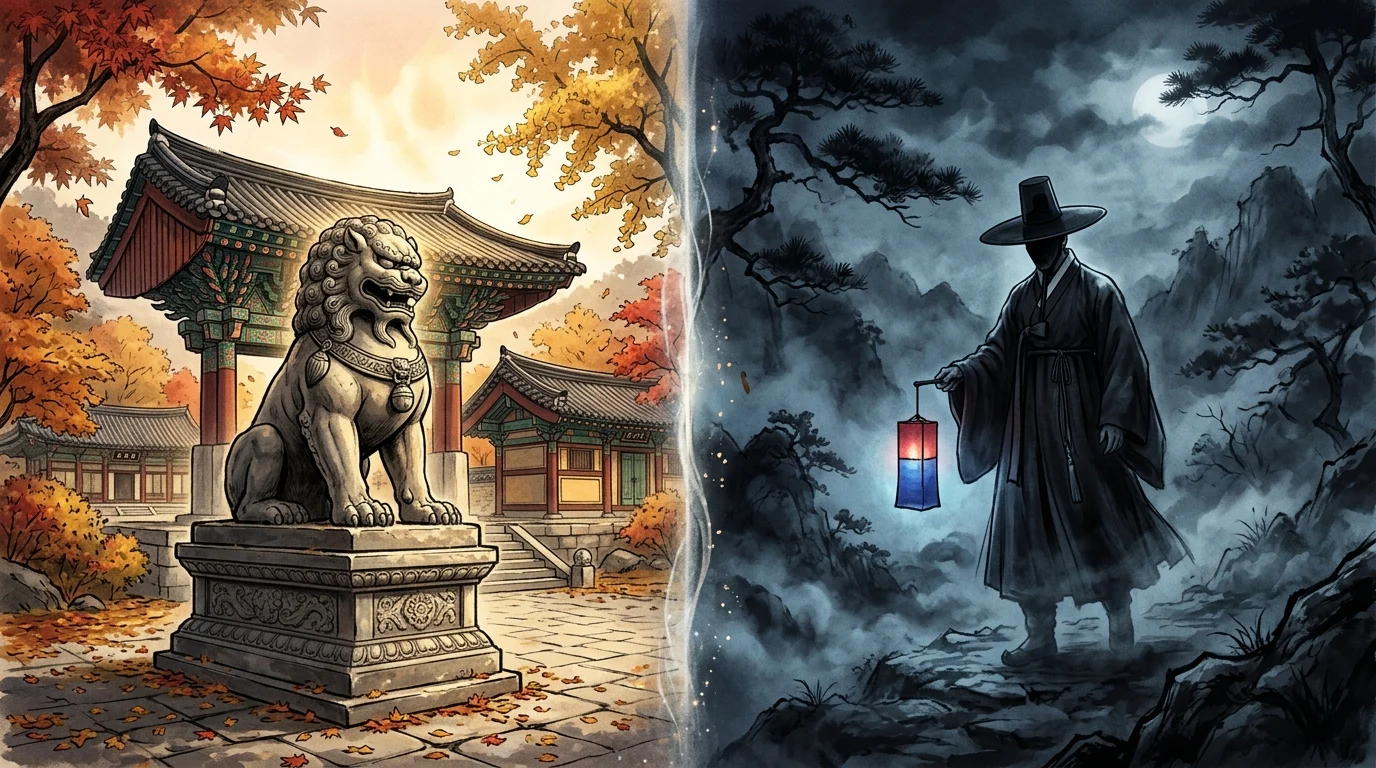
A second meaning comes from Korean folklore. Jeoseung saja (저승사자) refers to the grim reapers who escort souls to the afterlife under the command of King Yeomra . The word saja alone can carry this darker association when the context points toward death or the supernatural.
A third meaning appears in baby name dictionaries. In this context, Saja is listed as a girl’s name meaning “a calm and tranquil person” . Some sources connect this name meaning to the lion itself, linking the animal’s regal composure to the human quality of tranquility.
Saja Name Origin and Hanja
The saja name origin traces back to Chinese characters that were adopted into Korean. The word 사자 can be written with different hanja, and each set of characters changes the meaning.
When written as 獅子, the characters mean lion . This is the most common written form and the one used in Buddhist texts and traditional art. The first character refers to the lion, and the second character is a general suffix for certain animals.
When written with different characters, the same sound can mean messenger or envoy. This is why the grim reaper figure is called jeoseung saja. The saja here means “messenger,” and jeoseung refers to the afterlife .
The baby name meaning of “calm and tranquil person” likely comes from yet another hanja combination. Korean names are often chosen for their positive meanings, and the sound saja can be paired with characters that convey peace and composure .
Saja in Korean Culture and Buddhism
Saja holds a special place in Korean Buddhist tradition. The lion appears frequently in temple art and stone carvings as a guardian figure. It symbolizes wisdom and protection of the Buddhist law .
In Buddhist iconography, the lion is associated with Manjusri Bodhisattva, the bodhisattva of wisdom . Stone lions sit at temple entrances and on the pedestals of Buddha statues. They represent the power of truth to overcome falsehood and the courage needed to follow the spiritual path.
The lion is also used as a metaphor for the Buddha himself. The term Injasa (인사자) means “human lion” and refers to the Buddha’s ability to silence all wrong views with his teachings . This poetic usage shows how deeply the animal is woven into Korean religious language.
Beyond Buddhism, the lion appears in folk traditions as a protective spirit that drives away evil and disease . The saja nori (lion dance) is a traditional performance where dancers in lion masks move through villages to bring good fortune and ward off bad luck.
Saja in KPop Demon Hunters
The word saja gained international attention through the Netflix animated film KPop Demon Hunters. The fictional boy band Saja Boys uses the name to hide a dark secret in plain sight .
The name works on two levels. On the surface, Saja means lion, and the group’s branding includes lion imagery to project strength and power . This makes sense for a K-pop group trying to appear charismatic and dominant.
The deeper meaning comes from jeoseung saja, the grim reapers of Korean folklore. The Saja Boys are not human idols. They are demons sent to steal fans’ souls and weaken the protective barrier called the Honmoon . Their charming songs and adorable image are a trap designed to lure listeners in before draining their life force.
The film’s creators chose the name carefully. It connects the group to authentic Korean folklore while also sounding like a typical boy band name. Viewers who know Korean culture catch the hint immediately, while others discover the meaning later and realize the name was a clue all along .
Saja vs Similar Korean Terms
Several other Korean words overlap with saja in meaning or sound. Understanding the differences helps avoid confusion.
Sajang (사장) means company president or boss. It sounds similar to saja but has a completely different meaning. A Sajang is a business leader, while a saja is a lion or reaper.
Sajin (사진) means photograph. The pronunciation is close, but the ending sound is different. Context makes the distinction clear in conversation.
Sajeon (사전) means dictionary. Again, the sound is similar, but the meaning is unrelated. Korean has many words that share initial syllables, so context and spelling are essential.
Horang-i (호랑이) means tiger. In Korean folklore, the tiger often plays a role similar to the lion in Western traditions. The famous proverb “when the lion is absent, the rabbit becomes king” uses saja, but a parallel version uses the tiger .
When Not to Use Saja
Saja is a common Korean word, but it does not belong in every context.
In English writing, using saja without explanation may confuse readers who do not know Korean. If you need to refer to a lion, the English word works fine. If you are discussing the grim reaper, jeoseung saja is the more precise term.
The baby name usage is specific to Korean naming conventions. Using Saja as a name in English speaking countries would be unusual and might require explanation. It is a legitimate Korean name, but it carries different associations in different cultures.
In casual conversation, the lion meaning is the safest default. It is the most common definition and the one most Koreans will think of first when they hear the word in isolation.
Alternative Meanings of Saja
While lion and grim reaper are the dominant meanings, saja carries other associations in specific contexts.
In Buddhist art, the lion represents truth, courage, and the power of the dharma . Stone lions guard temple gates and adorn the bases of pagodas. Their presence signals that the space is sacred and protected.
In traditional Korean dance, the saja nori (lion dance) is performed to drive away evil spirits and bring blessings to a community . Dancers wear elaborate lion masks and move through streets or courtyards in a rhythmic, playful performance.
In Korean history, the lion appears in diplomatic records. The fifteenth century text Joseon Gwan-yeok-eo lists the word for lion alongside other vocabulary, showing that the animal was known and named in early Korean society .
Why Saja Became Popular
Saja has always been a common Korean word because lions feature prominently in Korean culture, religion, and folklore. The animal appears in temple carvings, folk dances, and everyday language.
The word gained new international attention through KPop Demon Hunters. The film’s clever use of the double meaning introduced millions of viewers to the grim reaper concept. Fans who enjoyed the movie searched for the meaning of Saja Boys and discovered the rich folklore behind the name .
This kind of cultural crossover is not new. Korean words and concepts have been spreading globally through K-pop, K-dramas, and film for years. Saja is the latest example of a term that carries deep cultural weight finding a new audience through entertainment.
FAQs
What does Saja mean in Korean?
Saja (사자) most commonly means lion. In folklore, jeoseung saja refers to grim reapers who guide souls to the afterlife. It can also be a Korean girl’s name meaning calm and tranquil person.
Is Saja a real Korean name?
Yes. Saja appears in Korean baby name lists as a girl’s name. Its meaning depends on the hanja used to write it, but “calm and tranquil person” is one documented definition .
What is a jeoseung saja?
Jeoseung saja is the Korean term for grim reapers. They are messengers of death who escort souls to the afterlife under King Yeomra. They appear in folklore, television shows, and films .
Why is the KPop Demon Hunters group called Saja Boys?
The name has a double meaning. Saja means lion, which fits their powerful image. It also refers to jeoseung saja, grim reapers, because the members are demons who steal souls .
What does Saja mean in Buddhism?
In Buddhism, the lion symbolizes wisdom, courage, and protection of the dharma. Stone lions guard temples, and the Buddha is sometimes called Injasa, meaning “human lion” .
How do you pronounce Saja?
Saja is pronounced sah-jah. The first syllable sounds like “saw” with a soft “a.” The second syllable is similar to “jah” with a light “j” sound.
Is Saja related to the Chinese word for lion?
Yes. The Korean word saja comes from the Chinese characters 獅子, which also mean lion. Korean adopted many Chinese words into its vocabulary over centuries of cultural exchange .
What is the Saja lion dance?
The saja nori is a traditional Korean lion dance performed to ward off evil spirits and bring good fortune. Dancers wear lion masks and move through communities in a rhythmic performance .
Can Saja be written in different ways?
Yes. The sound saja can be written with different hanja, and each combination changes the meaning. The lion meaning uses 獅子. The name meaning likely uses different characters entirely.
What is the difference between Saja and Horangi?
Saja means lion. Horangi means tiger. In Korean folklore, the tiger often plays a similar role to the lion in Western stories, representing strength and wild power .
Conclusion
The saja meaning is rich and layered. It stands for the lion, the king of beasts. It stands for the grim reaper, the messenger of death. Also stands for calm and tranquility as a name. From Buddhist temple carvings to Netflix animation, this short Korean word carries centuries of culture and symbolism. Whether you encounter it in a folklore discussion, a K-pop fan forum, or a baby name list, you now know exactly what it means. The next time you see Saja, you will see the full picture behind those five letters.