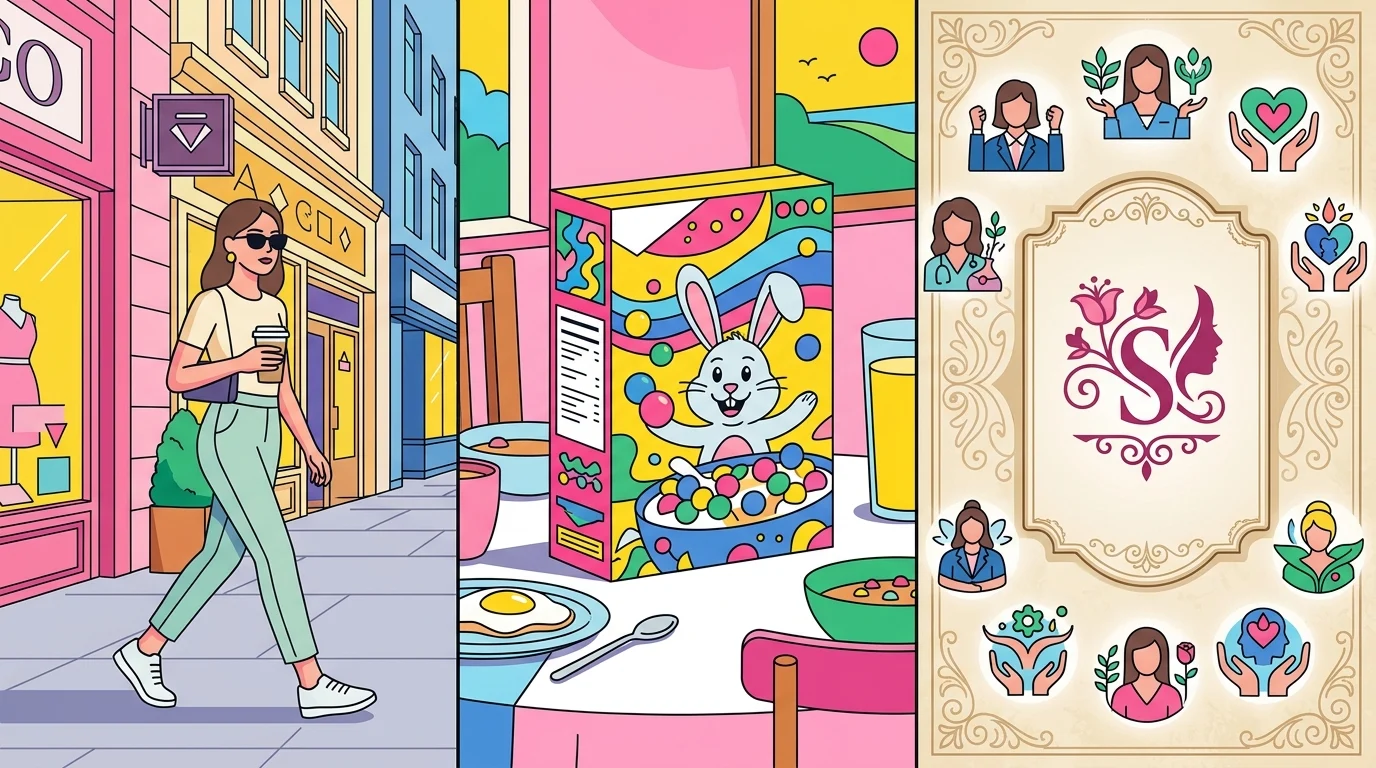
Quick Ans: The trix meaning is one of the most layered terms in modern English. In slang, it refers to a specific stereotype of a young urban woman. In naming traditions, it is a short form of Beatrix. In Latin, it is a feminine suffix. And on breakfast tables, it is a colorful cereal with a famous rabbit mascot. This guide covers every major meaning so you can understand the term no matter where you encounter it.
Understanding words with multiple definitions helps you navigate both casual and formal conversations. New slang terms appear constantly, and some carry cultural weight beyond their surface meaning. Trix is a perfect example. It has moved from Chicago satire into mainstream vocabulary, while also maintaining separate lives in naming, language, and consumer products. Knowing how to use it correctly helps you avoid confusion and communicate clearly.
What Does Trix Mean?
Trix carries several distinct meanings depending on context. The most common slang definition describes a young urban white woman, usually single, between twenty and thirty years old. The term originated in 1990s Chicago as a satirical label for a specific social type.
The term belongs to both casual and cultural communication. It fits in discussions about social stereotypes, naming traditions, and brand recognition. It does not belong in formal writing when used as a pejorative label. The tone shifts dramatically based on which meaning applies.
Sometimes people write it as “Trix” with a capital T. Other times they use lowercase “trix.” Both versions appear in digital communication. The capitalization often signals whether the speaker means the name, the cereal, or the slang term.
Trix as Slang: The Chicago Stereotype
The trix slang meaning traces back to 1990s Chicago. The term emerged from a satirical website called the Lincoln Park Trixie Society. This fictional social club poked fun at young women in the upscale Lincoln Park neighborhood.
A Trixie, or Trix, was described as a young woman “striving for social success, marriage-minded, and money-hungry.” Other descriptions paint a more vivid picture. She carries a Kate Spade handbag. She may have belonged to a sorority. Female has a passion for stereotypical athletes. Female might attend law school primarily to find a husband.
Shane DuBow of National Geographic summarized the stereotype as “a blond woman in her mid-twenties who works in PR or marketing, drives a black Jetta, gets manicures, and drinks nonfat lattes with no foam.” He noted that the original website read as a cheeky parody.
The male counterpart to the Trix is called a Chad. These are often the men that Trixies marry. The term has been used by some Chicago businesses, including a salad named “Trixie Salad” and a hair salon called Trixie Girl Blow Dry Bar.
Trix as a Name
Trix is a feminine given name. It is a short form of Beatrix, which comes from the Latin word “viatrix” meaning “traveler” or “voyager.” The name has been used in English-speaking countries for centuries.
The pronunciation is simple. You say it as TRIKS, rhyming with “sticks.” The name is rare in modern usage, partly because it sounds identical to the word “tricks.”
Related names include Bea, Bee, and Trixie. The name appears in several languages with variations including Beatrice, Beatriz, and Béatrice. The name carries a vintage charm that appeals to parents seeking something uncommon but recognizable.
Trix as a Latin Suffix
The -trix suffix has deep roots in Latin grammar. It forms feminine agent nouns from verbs, corresponding to the masculine suffix -tor. This means it creates words that describe a female person who performs a specific action.
Examples include aviator becoming aviatrix for a female pilot. Orator becomes oratrix for a female speaker. Cantor becomes cantrix for a female singer. The suffix was borrowed into English in the 15th century and used to create feminine forms of occupational nouns.
Most of these forms have dropped from general use. Terms like aviatrix and executrix appear rarely in modern English. Legal documents still use administratrix and executrix, but these are giving way to gender-neutral -tor forms. The suffix carries a somewhat archaic or poetic tone when used today.
Trix the Cereal
Trix is a brand of fruit-flavored breakfast cereal made by General Mills. It was first introduced in 1954 as the first fruity-flavored cereal on the market. The original product consisted of round corn puffs in three colors: raspberry red, orange orange, and lemony yellow.
The famous rabbit mascot appeared on the box for the first time in 1960. The cereal changed to fruit shapes in 1991, then back to round puffs in 2006 in the United States. The current slogan is “Trix is not for rabbits!”
The cereal is known for its bright colors and fruity taste. It remains a popular choice for children’s breakfasts around the world.
Trix vs Tricks: What Is the Difference?
Many people confuse Trix with tricks. The two words sound identical in spoken English, which creates confusion in writing.
Tricks is the plural form of “trick.” A trick is a deceptive action, a playful joke, or a clever skill. The word has a long history in English and carries multiple meanings related to deception and entertainment.
Trix as slang refers to the Chicago stereotype. Trix as a name is short for Beatrix. Trix as a cereal is a brand name. The spelling distinguishes these meanings from the common word “tricks.”
In the phrase “How’s tricks?”, the correct spelling is “tricks,” not “Trix.” This informal greeting asks how someone is doing or what they have been up to. Some sources claim the original phrase was “How are Trixie and the kids?” but this origin is unverified.
Trix in the Trans Community
Trix has another slang meaning in some online communities. It refers to a situation where someone believes they are talking to a woman online, only to discover that the person is actually a man. This usage is related to the term “trap” and is considered offensive by many people.
This definition appears primarily on Urban Dictionary and in specific internet subcultures. It is not widely accepted and carries transphobic connotations. Use it with extreme caution or avoid it entirely.
When Not to Use Trix
Trix does not belong in every conversation. Its slang meanings can be offensive or confusing depending on context.
Avoid using the Chicago stereotype in professional settings. It carries judgmental and classist undertones. The trans-related usage is outright offensive and should be avoided completely.
In formal writing, use the full name Beatrix if referring to a person. Use “tricks” if referring to deceptive actions. The shortened form Trix is casual and may confuse readers unfamiliar with its various meanings.
Alternative Meanings of Trix
While the slang, name, and cereal meanings dominate, Trix carries other associations in specific contexts.
In Latin, -trix is a productive suffix for forming feminine nouns. It appears in many English words borrowed from Latin, including matrix, directrix, and generatrix.
In music, TRIX was an Argentine female vocal trio. The group was active in the past and left a mark on Latin American pop music.
In Swedish, trix appears as a noun in dictionary entries. The word carries its own meaning in that language.
Why Trix Became Popular
Trix as slang grew from Chicago’s cultural landscape. The Lincoln Park Trixie Society website gave name to a recognizable social type. It captured a specific moment in urban culture and spread through word of mouth and early internet sharing.
The cereal brand achieved lasting popularity through clever marketing. The rabbit mascot and the “Trix are for kids” slogan became part of American pop culture. Generations grew up recognizing the colorful cereal box.
The name Trix persists because of its simplicity and vintage appeal. Parents seeking uncommon names rediscover it. Writers use it for characters who need a quirky, memorable name.
FAQs
What does Trix mean in slang?
In Chicago slang, Trix describes a young urban white woman, usually single and between twenty and thirty. She is stereotyped as marriage-minded, money-focused, and socially ambitious.
Is Trix an offensive term?
The Chicago stereotype carries judgmental and classist undertones. The trans-related usage is outright offensive. Use the term with awareness of its connotations.
Where did the Trix slang term come from?
It originated in 1990s Chicago from a satirical website called the Lincoln Park Trixie Society. The site parodied young women in the upscale Lincoln Park neighborhood.
What does Trix mean as a name?
Trix is a short form of Beatrix. It comes from the Latin word “viatrix,” meaning traveler or voyager. The name is feminine and pronounced TRIKS.
What is the male equivalent of a Trix?
The male counterpart is called a Chad. Trixies often marry Chads in the stereotype’s narrative.
What does the -trix suffix mean in Latin?
The -trix suffix forms feminine agent nouns from verbs. It corresponds to the masculine suffix -tor. Examples include aviatrix, oratrix, and cantrix.
Is Trix cereal still made?
Yes. Trix cereal is made by General Mills and remains available in stores. The cereal was first introduced in 1954.
What is the difference between Trix and tricks?
Trix is a name, a slang term, or a cereal brand. Tricks is the plural of trick, meaning deceptive actions or playful jokes. The two sound identical but have different meanings.
Why does Trix cereal have a rabbit mascot?
The rabbit appeared on the box in 1960. The mascot tries to steal the cereal, but the slogan says “Trix is not for rabbits.”
What does “How’s tricks?” mean?
“How’s tricks?” is an informal greeting meaning “How are you?” or “What have you been up to?” The correct spelling uses “tricks,” not “Trix.”
Conclusion
The trix meaning shifts with every context. In Chicago slang, it describes a specific urban stereotype. As a name, it honors Beatrix and the Latin word for traveler. In grammar, it forms feminine agent nouns from Latin roots. On the breakfast table, it is a fruity cereal with a famous rabbit. The only way to know which meaning applies is to read the setting, the tone, and the speaker’s intent. When in doubt, ask for clarification. Now you know exactly what those four letters can mean.