Quick Ans: The clair obscur meaning comes from the world of art and visual design. In French, the term translates to “light dark” or “bright obscure.” It describes a technique that uses strong contrasts between light and shadow to create depth, drama, and emotional intensity. This guide covers the full meaning, history, and modern usage of clair obscur.
Understanding artistic terms helps us appreciate the visual world around us. Great paintings, photographs, and films all use light and shadow to tell stories. Clair obscur is one of the most powerful tools in an artist’s toolkit. Knowing how it works helps you see art with new eyes and understand why certain images feel so dramatic.
What Does Clair Obscur Mean?
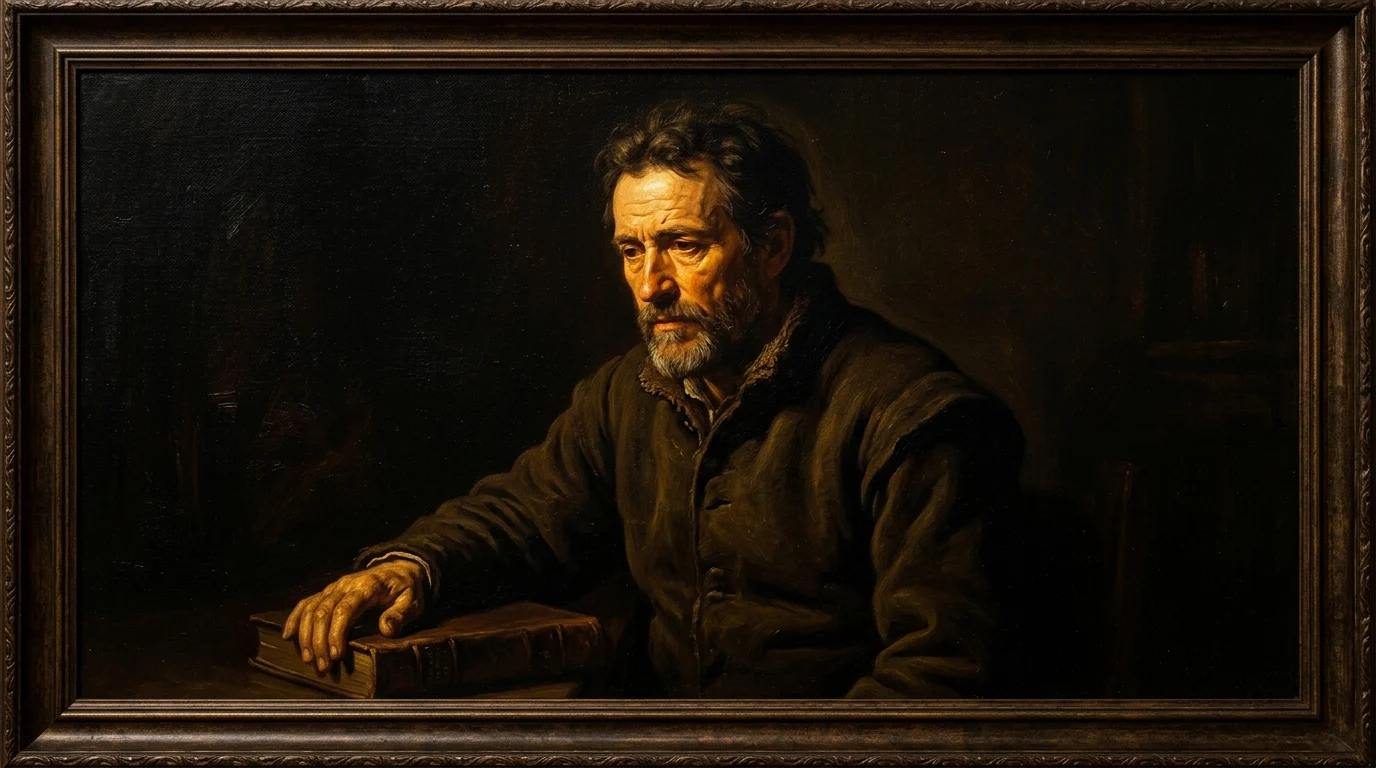
Clair obscur is a French term that means “light dark” or “clear obscure.” It refers to a technique in painting, drawing, and photography that uses strong contrasts between light and dark areas. The goal is to create a sense of volume, depth, and drama.
The term belongs to the language of art history and visual criticism. It appears in museum labels, art textbooks, and film reviews. The meaning stays consistent across these fields. One part of the image is brightly lit. Another part falls into deep shadow. The contrast between them creates the effect.
Sometimes people write it as chiaroscuro, which is the Italian version of the same term. Both words describe the same technique. The French spelling is clair obscur. The Italian spelling is chiaroscuro. English speakers use both, though chiaroscuro appears more often in academic writing.
How Clair Obscur Works in Art
Clair obscur works by manipulating light and shadow. Its effects are easy to see once you know what to look for.
The most common usage is creating the illusion of three dimensional form. A face lit from one side shows highlights on the cheekbone and deep shadows on the opposite side. This contrast makes the face look round and solid rather than flat.
Another common usage is building dramatic mood. A scene lit with a single candle creates pools of light surrounded by darkness. The eye is drawn to the bright areas. The shadows add mystery and tension. This technique appears in religious paintings, portraits, and still lifes.
Clair obscur also guides the viewer’s attention. Artists place the brightest light on the most important part of the image. Everything else fades into shadow. This creates a natural focus without needing arrows or labels.
The technique can be subtle or extreme. Soft transitions between light and dark create a gentle, dreamy effect. Sharp transitions create a bold, theatrical effect. Artists choose the level of contrast based on the mood they want to achieve.
Clair Obscur in Art History
Clair obscur became famous during the Renaissance and Baroque periods. Italian painters developed the technique to new levels of sophistication.
Leonardo da Vinci used soft clair obscur to give his figures a gentle, lifelike quality. His technique, called sfumato, blurred the edges between light and shadow. This made faces look soft and realistic. The Mona Lisa is a famous example of this approach.
Caravaggio took clair obscur to the opposite extreme. He used harsh, theatrical lighting with deep black shadows. His paintings show figures lit by a single strong source, often from above or the side. The effect is dramatic and emotional. His style influenced artists across Europe.
Rembrandt mastered clair obscur in his portraits and biblical scenes. He used warm golden light against dark backgrounds. His subjects seem to glow from within. The shadows add depth and introspection to every face.
Artemisia Gentileschi used clair obscur to heighten the drama in her paintings. Her work shows strong women in moments of action and emotion. The lighting emphasizes their strength and determination.
Clair Obscur in Photography and Film
Clair obscur moved from painting into photography and cinema. The technique remains just as powerful in these media.
Photographers use clair obscur to create mood and focus. A portrait lit from one side shows character and depth. A landscape shot at dawn or dusk uses natural contrast between sky and ground. Black and white photography relies heavily on clair obscur because it strips away color and leaves only light and shadow.
Film directors use clair obscur to build atmosphere. Film noir of the 1940s and 1950s is famous for its dramatic shadows. Venetian blind shadows fall across a detective’s face. Street lamps cut through fog. Every frame feels tense and mysterious.
Modern directors continue the tradition. Roger Deakins uses clair obscur in films like Blade Runner 2049 and *1917*. Denis Villeneuve uses it in Dune to create a sense of scale and mystery. The technique never goes out of style because it speaks to something deep in human perception.
Clair Obscur in Video Games
Clair obscur has become a major tool in video game design. Games use lighting to guide players, set mood, and tell stories.
The recently released game Clair Obscur: Expedition 33 brought the term to a new audience. The game uses dramatic lighting to create a beautiful, melancholic world. Its art style draws directly from Belle Époque France and Baroque painting. The title itself references the artistic technique.
Other games use clair obscur as well. Limbo and Inside use silhouettes and soft light to create eerie atmospheres. Bloodborne uses dark shadows and glowing lanterns to build tension. The Last of Us uses natural light and shadow to frame emotional moments. Game designers understand that light and dark tell stories just as effectively as dialogue.
Clair Obscur vs Chiaroscuro and Similar Terms
Several other terms overlap with clair obscur in art and design. Understanding the differences helps avoid confusion.
Chiaroscuro is the Italian word for the same technique. It appears more often in English academic writing. Clair obscur is the French version. Both describe strong contrasts between light and dark.
Tenebrism is an extreme form of chiaroscuro. It uses very dark shadows and a single strong light source. Caravaggio is the most famous practitioner of tenebrism. The term comes from the Italian word for darkness.
Sfumato is a related technique developed by Leonardo da Vinci. It means “smoky” and refers to soft, gradual transitions between colors and tones. Sfumato is gentler than clair obscur. It blurs edges rather than creating sharp contrasts.
Low key lighting is a photography and film term for scenes dominated by shadow. It is closely related to clair obscur but focuses on the overall lighting setup rather than the artistic effect.
When Not to Use Clair Obscur
Clair obscur does not belong in every conversation. Its specialized nature makes it unsuitable for some contexts.
Avoid using clair obscur in casual conversation about everyday topics. A friend might look confused if you describe your living room lighting as clair obscur. The term carries specific artistic meaning that does not transfer to every situation.
There is also a risk of mispronunciation. The French pronunciation is klair ob-SKEWR. English speakers often say klair ob-SKYOOR. Both are acceptable, but the French version sounds more authentic.
In formal writing, clair obscur is appropriate when discussing art, film, or photography. Define the term when you first use it. In casual writing, simpler words like “dramatic lighting” or “strong shadows” work just as well.
Alternative Meanings of Clair Obscur
While art and film are the dominant meanings, clair obscur carries other associations in specific contexts. Knowing these alternatives helps avoid misunderstandings.
In literature, clair obscur can describe a style that blends light and dark themes. A novel that mixes hope and despair uses clair obscur in a metaphorical sense. The term appears in literary criticism to describe tonal complexity.
In music, clair obscur can refer to compositions that contrast loud and soft passages. The technique creates emotional depth similar to its visual counterpart. Some composers use the term to describe their creative approach.
In philosophy, clair obscur can describe the mixture of clarity and obscurity in human understanding. The term appears in discussions of knowledge and perception. It suggests that truth often emerges from the interplay of light and shadow.
In psychology, clair obscur can describe the coexistence of positive and negative emotions. A person may feel joy and sadness at the same time. The term captures this complex emotional state.
Why Clair Obscur Became Popular
Clair obscur grew from a technical term into a widely recognized concept. Its journey spans centuries and multiple art forms.
The technique developed during the Renaissance when artists began studying light and perspective more carefully. They wanted to create realistic images that felt alive. Clair obscur gave them a tool to achieve that goal.
The Baroque period pushed the technique to new extremes. Caravaggio and his followers used dramatic lighting to create emotional impact. Their work influenced generations of artists across Europe.
Photography adopted clair obscur in the 19th century. Early photographers studied painting to learn how to compose images. They brought the technique into a new medium.
Film noir brought clair obscur to mass audiences in the 20th century. The shadows and light of noir became a visual language for mystery and danger. Modern filmmakers continue to use it.
Video games have recently embraced clair obscur as a storytelling tool. The interactive nature of games makes lighting even more important. Players navigate through light and shadow, and the technique shapes their experience.
FAQs
What does clair obscur mean?
Clair obscur is a French term meaning “light dark.” It refers to an artistic technique that uses strong contrasts between light and shadow to create depth, drama, and mood.
Is clair obscur the same as chiaroscuro?
Yes. Clair obscur is the French version of the Italian term chiaroscuro. Both describe the same technique of using light and dark contrasts in art.
Who invented clair obscur?
No single artist invented clair obscur. Leonardo da Vinci developed soft versions of the technique. Caravaggio popularized extreme contrasts. Rembrandt and other Baroque painters refined it further.
What is clair obscur in photography?
In photography, clair obscur refers to using strong contrasts between light and shadow. It creates drama, depth, and focus. Black and white photography relies heavily on this technique.
What is clair obscur in film?
In film, clair obscur describes lighting that uses deep shadows and bright highlights. Film noir is famous for this style. Modern directors like Roger Deakins use it to create atmosphere.
What is Clair Obscur: Expedition 33?
Clair Obscur: Expedition 33 is a video game released in 2025. It uses dramatic lighting inspired by Baroque painting. The title references the artistic technique of clair obscur.
How do you pronounce clair obscur?
The French pronunciation is klair ob-SKEWR. English speakers often say klair ob-SKYOOR. Both are acceptable.
What is the difference between clair obscur and tenebrism?
Tenebrism is an extreme form of clair obscur. It uses very dark shadows and a single strong light source. Caravaggio is the most famous practitioner of tenebrism.
Can clair obscur be used in writing?
Yes. In literature, clair obscur can describe a style that blends light and dark themes. It appears in literary criticism to describe tonal complexity.
Why is clair obscur important?
Clair obscur is important because it creates depth, drama, and focus. It guides the viewer’s eye and evokes emotion. The technique appears in painting, photography, film, and video games.
Conclusion
The clair obscur meaning is rich with artistic history and practical application. It stands for “light dark” and describes a technique that uses strong contrasts to create depth and drama. From Leonardo da Vinci to modern video games, artists have used clair obscur to shape how we see and feel. When you notice dramatic lighting in a painting, photograph, or film, you are seeing clair obscur at work. Understanding the term helps you appreciate the craft behind every shadow and highlight. Use it naturally, and your eye for visual art will grow sharper.