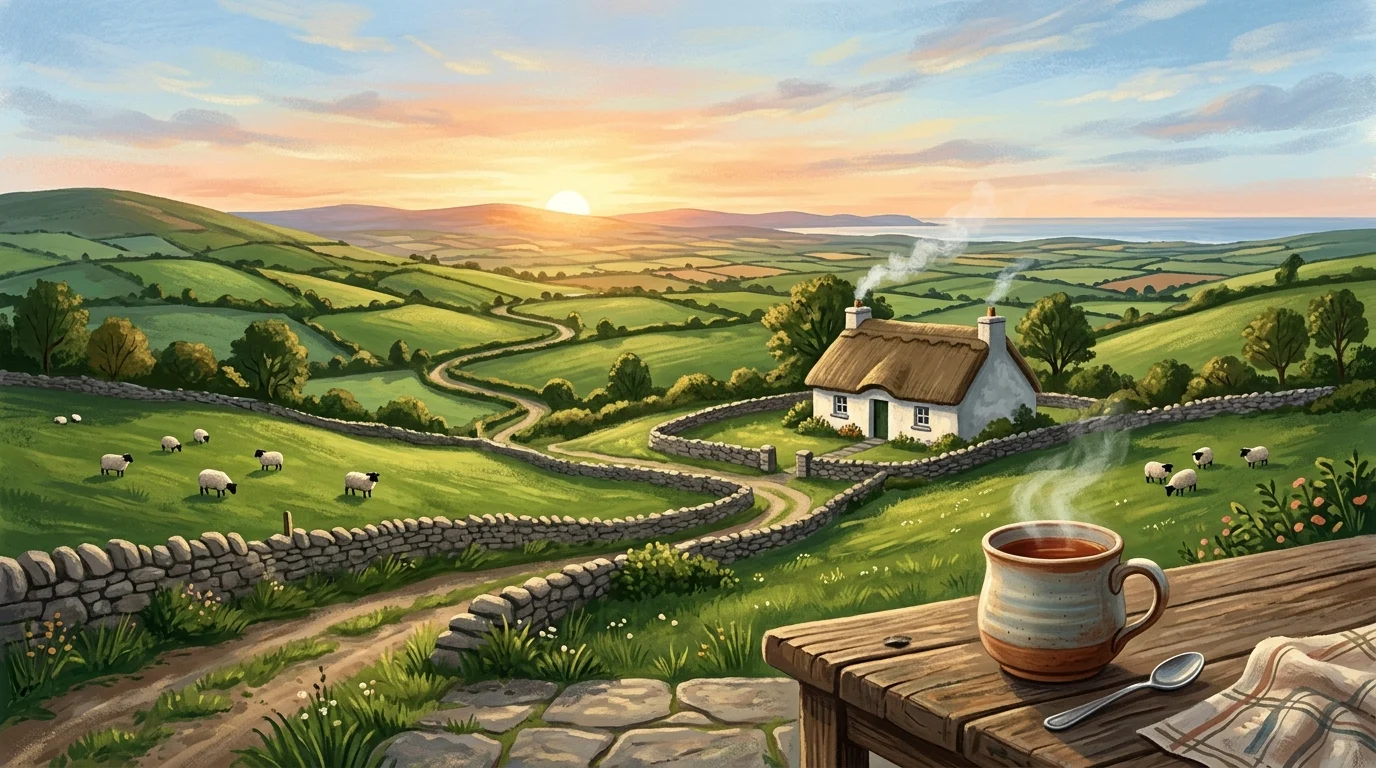
Quick Ans: The top of the morning meaning is one of the most recognizable phrases in Irish culture. In conversations and on social media, “top of the morning” is a friendly greeting that means good morning. This phrase carries warmth, charm, and a touch of Irish tradition. It appears in movies, greeting cards, and casual chats around the world.
Understanding cultural greetings helps you connect with people from different backgrounds. Some phrases travel far from their origins and take on new life. Top of the morning is a perfect example. It started as an Irish blessing and became a global expression of goodwill. Knowing its true meaning and proper usage helps you sound natural and respectful.
What Does Top of the Morning Mean?
Top of the morning is a traditional Irish greeting that means “good morning” or “the best part of the morning to you.” People use it to wish someone a pleasant start to the day. The phrase carries warmth and friendliness.
The term belongs to casual and cultural communication. It fits perfectly in friendly conversations, greetings, and social media posts. It also works in more formal settings when used with a light, respectful tone. The phrase is not slang, but it has a relaxed, conversational feel.
Sometimes people write it as “top of the morning to you.” This longer version adds emphasis and formality. Both versions mean the same thing. The shorter version is more common in casual settings.
Where Did Top of the Morning Come From?
The top of the morning origin traces back to Ireland. The phrase has been used in Irish English for centuries. It comes from the idea that the morning is a precious time, and the “top” of it is the best part.
Some sources connect the phrase to Irish blessings and well wishes. In traditional Irish culture, greetings often carried good intentions for the day ahead. “Top of the morning” fits this pattern. It wishes the listener the best possible start to their day.
The phrase became widely known outside Ireland through books, films, and television. Irish characters in American movies often used it to sound authentically Irish. This pop culture exposure spread the greeting around the world, even to places with no Irish heritage.
How to Use Top of the Morning in Conversations
Top of the morning works in several different situations. Its flexibility is one reason it remains popular.
The most common usage is a simple morning greeting. If you meet someone in the morning, saying “top of the morning to you” is a warm and friendly way to say hello. The tone is cheerful and welcoming.
Another common usage is in written messages. A text like “top of the morning, hope you have a great day” combines the greeting with a personal wish. This usage appears often in messages between friends and family.
The phrase also appears in social media captions and comments. A post like “top of the morning from a rainy Dublin” uses the greeting to set a scene or share a mood. The tone is nostalgic and charming.
The phrase can also appear in playful or ironic contexts. Someone might say “top of the morning” in the afternoon as a joke. The humor comes from the mismatch between the greeting and the time of day.
Top of the Morning on TikTok and Social Media
Top of the morning is everywhere on social media. It appears in TikTok videos, Instagram captions, Twitter posts, and Facebook messages. The phrase fits the friendly, conversational tone of these platforms.
On TikTok, top of the morning often appears in videos about Irish culture, travel, or daily routines. A creator might start a video with “top of the morning, lads” to set a cheerful tone. The phrase signals warmth and authenticity.
On Instagram, top of the morning shows up in captions and story text. Travel influencers use it when posting from Ireland. Regular users use it to greet their followers in a friendly way. A caption like “top of the morning from this view” creates a positive, inviting mood.
On Twitter, top of the morning is standard vocabulary for morning greetings. Users post it to wish their followers a good day. The phrase has become a universal way to say good morning with a touch of charm.
Top of the Morning vs Good Morning and Similar Greetings
Several other greetings overlap with top of the morning in everyday conversation. Understanding the differences helps you choose the right phrase for each moment.
Good morning is the standard English greeting. It is neutral, polite, and appropriate in almost any setting. Top of the morning is warmer and more culturally specific.
Rise and shine is a cheerful morning greeting. It often carries a playful or parental tone. Top of the morning is more formal and traditional.
Morning is a casual shortened greeting. It is quick and informal. Top of the morning is longer and more expressive.
Howdy is a friendly greeting associated with the American West. It is not time specific. Top of the morning is specifically for the morning hours.
Dia dhuit is the traditional Irish greeting. It means “God be with you.” Top of the morning is a more specific and less religious phrase.
When Not to Use Top of the Morning
Top of the morning does not belong in every conversation. Its cultural specificity and cheerful tone make it unsuitable for some contexts.
Avoid using it in professional settings unless you know the audience well. Work emails, business reports, and formal communication should use standard greetings. The phrase can feel too casual or performative in these contexts.
There is also a risk of sounding like a stereotype. The phrase is strongly associated with Irish culture, and some people view its overuse as a caricature. Use it with awareness and respect. Do not adopt an exaggerated Irish accent when saying it.
The phrase also carries a time specific meaning. Using it in the afternoon or evening sounds odd or intentionally humorous. Save it for the morning hours to keep the meaning clear.
Alternative Meanings of Top of the Morning
While “good morning” is the dominant meaning, top of the morning carries other associations in specific contexts. Knowing these alternatives helps avoid misunderstandings.
In Irish literature, the phrase appears in novels, poems, and plays. Writers use it to establish setting and character. It signals a connection to Irish tradition and speech patterns.
In film and television, the phrase often appears in characters who are meant to be Irish or Irish American. It serves as a shorthand for cultural identity. Sometimes it is used authentically. Other times it is used for comedic effect.
In music, the phrase appears in folk songs and ballads. It sets a morning scene or expresses hope for the day ahead. The greeting carries emotional weight in these contexts.
In tourism marketing, the phrase is used to promote Ireland as a destination. It evokes warmth, friendliness, and charm. Visitors often associate the phrase with Irish hospitality.
Why Top of the Morning Became Popular
Top of the morning grew from Irish tradition into global popular culture. As Irish immigrants moved around the world, they brought their greetings with them. These phrases spread through communities and eventually into mainstream media.
The phrase also benefited from its musical quality. It sounds pleasant and rhythmic. The words roll off the tongue in a way that feels natural and friendly. This made it easy to remember and repeat.
Pop culture accelerated its spread. Movies like The Quiet Man and Far and Away featured Irish characters using the greeting. Television shows and books followed. Each appearance reinforced the phrase’s association with Irish charm.
Today the phrase appears in greeting cards, social media posts, and casual conversation. It has become a universal way to wish someone a good morning with a touch of warmth and tradition.
FAQs
What does top of the morning mean?
Top of the morning means “best of the morning to you.” It is a traditional Irish greeting that wishes someone a good start to their day.
Is top of the morning a real Irish saying?
Yes. The phrase has been used in Irish English for centuries. It appears in literature and recorded speech from the 1800s and earlier.
What is the correct response to top of the morning?
The traditional response is “And the rest of the day to yourself.” This completes the greeting and returns the goodwill.
Do Irish people actually say top of the morning?
Some Irish people do say it, especially in casual or humorous settings. Others find it to be a stereotype. Use it with respect and awareness of your audience.
Can I use top of the morning in professional emails?
No. The phrase is too casual for professional settings. Use “Good morning” in work emails and formal communication.
What does top of the morning mean in texting?
In texting, top of the morning is a friendly greeting. It means the same thing as in spoken conversation. It wishes the recipient a good morning.
Is top of the morning the same as good morning?
No. Good morning is neutral and standard. Top of the morning is warmer and culturally specific to Ireland. Both express goodwill but carry different tones.
When should I use top of the morning?
Use it in the morning hours during casual conversations. It works well with friends, family, and people who appreciate Irish culture.
Why do people say top of the morning on St. Patrick’s Day?
St. Patrick’s Day celebrates Irish culture. People use the phrase to participate in the celebration and show appreciation for Irish traditions.
Does top of the morning have other meanings?
In broadcasting, it can refer to the start of a morning show. In literature and music, it sets an Irish cultural tone. The greeting remains the most common meaning.
Conclusion
The top of the morning meaning is simple and warm. It stands for “good morning” and serves as a friendly greeting rooted in Irish tradition. You can use it in texts, social media captions, comments, and friendly conversations. It is a cheerful, culturally rich phrase that brings a touch of charm to everyday communication. When you see or hear top of the morning, you now know exactly what it means and where it comes from. Use it naturally and respectfully, and your greetings will feel more connected and meaningful