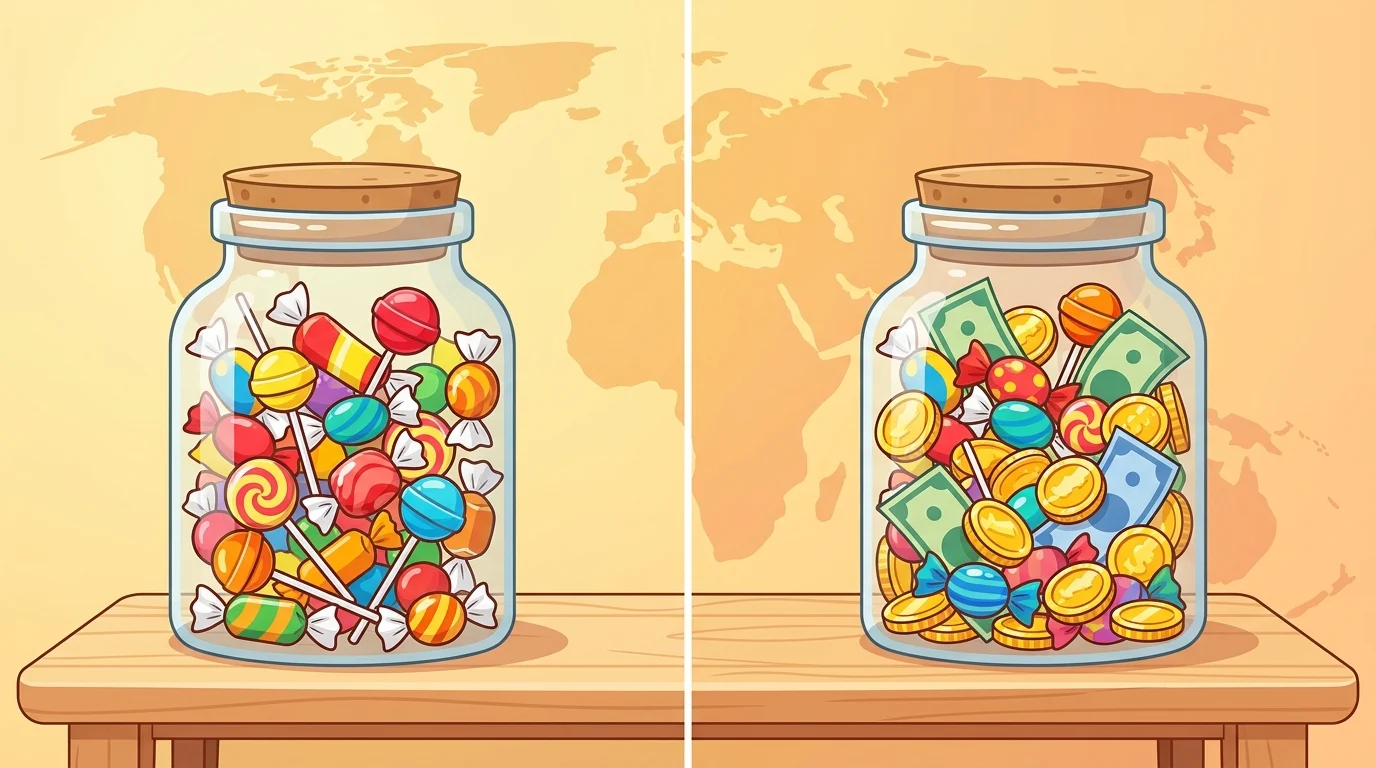
Quick Ans: The term lolly meaning changes dramatically depending on where you are in the world. In Australia and New Zealand, a lolly is a piece of candy or confectionery . In British English, it usually refers to a lollipop or an ice lolly on a stick . In slang, the same word can mean money, a head, or even losing your temper. This guide breaks down every major meaning so you can understand the term no matter where you encounter it.
What Does Lolly Mean?
The lolly definition begins with its origin as a shortened form of the word lollipop . The first recorded use dates back to the 1760s, and the term has evolved in different directions across English speaking regions .
In Australia and New Zealand, lolly became the standard word for any type of candy or sweet . A child asking for a lolly is asking for a piece of confectionery. A lolly shop is a candy store. This usage is so common that it has become part of everyday vocabulary in those countries .
In Britain, the meaning narrowed. A lolly is specifically a hard sweet on a stick, what Americans call a lollipop . An ice lolly refers to a frozen treat on a stick, similar to a popsicle . This British usage reflects the original meaning of the word before it spread to other regions.
Lolly as a Slang Term for Money
Lolly has been used as British slang for money since the mid twentieth century . The connection likely comes from the idea of something sweet and desirable. Saying someone has plenty of lolly means they have plenty of cash .
This usage appears frequently in British crime fiction and films. A character might ask how much lolly a job pays or complain about not having enough lolly for the weekend. The term carries a casual, working class tone that fits informal conversation .
American hip hop culture also adopted lolly as a slang term for money. Rappers use it in lyrics to refer to wealth and success . The word fits the genre’s pattern of creating new terms for cash, joining words like guap, cheese, and bread.
Lolly as a Slang Term for the Head
A lesser known but historically significant meaning of lolly is the head . This usage emerged from boxing slang in the late nineteenth century, where fighters referred to the head as a brain canister, lob, nob, or lolly .
The phrase do your lolly or lose your lolly comes from this meaning. It means to lose your temper, become very upset, or lose control of your emotions . If someone does their lolly, they are having a meltdown. The phrase remains common in Australian and New Zealand English .
Off your lolly is another variation. It means out of your mind, deranged, or amazing . The expression plays on the idea of losing your head, both literally and figuratively.
Lolly in Sports and Games
Australian cricket adopted lolly as a term for an easy catch. A ball hit high and slow in a curve is simple to catch, so it became known as a lolly . The term spread to other sports where a slow, high ball is easy to field .
The origin comes from lolly catch, which was later shortened. The sweet treat association may come from the idea of something easy and pleasant, like receiving a free candy .
Lolly in Compound Words and Phrases
Several common phrases use lolly in ways that reflect its various meanings. A lolly shop sells confectionery, while a lolly scramble describes a game or event where candies are thrown for children to catch .
A lolly boy historically referred to a boy who sold refreshments in theaters . An ice lolly is a frozen treat on a stick, popular in Britain and Australia . The word lollygag has a completely different origin, meaning to fool around or waste time, and is not directly related to the candy meaning .
In New Zealand slang, lolly night refers to payday evening, when people have money and the expectation of finding a sexual partner . This usage combines the money meaning with a social context unique to the region.
Lolly vs Lollipop: What Is the Difference?
Many people confuse lolly and lollipop, but the distinction is regional and contextual . In Britain, a lollipop is a large hard candy on a stick, while lolly is an informal shortening of that word .
In Australia and New Zealand, lolly covers all types of confectionery, while lollipop specifically refers to the candy on a stick . A child might ask for a lolly and receive a chocolate bar, a gummy worm, or a hard candy. If they specifically want a lollipop, they would use that word.
In America, lolly is not commonly used. Americans say lollipop for the candy on a stick and candy for confectionery in general . This creates potential confusion when Australians or Brits use lolly in conversation with Americans.
When Not to Use Lolly
Lolly is a casual, informal word. It belongs in friendly conversation, not in formal writing or professional communication. A business email asking for payment should not refer to lolly. A news report should not describe confectionery as lollies unless the tone is deliberately conversational.
The slang meanings carry additional risks. Calling money lolly is fine among friends but could sound flippant in a serious financial discussion. Telling someone to stop doing their lolly is playful in Australia but might confuse or offend someone unfamiliar with the phrase.
Regional Differences in Lolly Usage
The meaning of lolly shifts dramatically as you travel. From Britain, it is primarily a lollipop or ice lolly. In Australia and New Zealand, it is any candy. From British slang, it is money. In boxing history, it was a head. In cricket, it is an easy catch .
This regional variation means context is everything. A conversation between an Australian and a Briton about lollies could lead to confusion. The Australian might be talking about a bag of mixed candies. The Briton might be thinking of a single lollipop. Neither is wrong, but they are imagining different things .
Why Lolly Remains Popular
Lolly endures because it is short, friendly, and versatile. It fits the Australian and New Zealand preference for informal, playful language. It carries a sense of childhood nostalgia in Britain, where ice lollies are a summer staple .
The slang meanings add depth. Money slang always has cultural currency, and lolly fits alongside terms like dough and bread. The phrase do your lolly captures a very specific emotional state that other expressions do not quite match .
FAQs
What does lolly mean?
Lolly most commonly means candy or confectionery in Australia and New Zealand. In Britain, it refers to a lollipop or ice lolly. In slang, it can mean money or the head.
What does lolly mean in Australia?
In Australia, lolly means any type of candy or sweet. A lolly shop is a candy store. The word covers chocolate bars, gummy candies, hard sweets, and everything in between.
What does lolly mean in British slang?
In British slang, lolly means money. Saying someone has plenty of lolly means they have plenty of cash. The term has been used this way since the mid twentieth century.
What does do your lolly mean?
To do your lolly means to lose your temper, become very upset, or have a meltdown. The phrase is common in Australian and New Zealand English. It comes from the old boxing slang meaning of lolly as the head.
What does off your lolly mean?
Off your lolly means out of your mind, deranged, or amazing. It is another variation of the head meaning. The expression plays on the idea of losing your head.
What is an ice lolly?
An ice lolly is a frozen treat on a stick, similar to a popsicle. The term is common in Britain and Australia. It refers to flavored ice or ice cream frozen onto a stick.
What is a lolly scramble?
A lolly scramble is a game or event where candies are thrown for children to catch. It is popular at fairs, parties, and community events in Australia and New Zealand.
What is the difference between lolly and lollipop?
In Britain, a lollipop is a large hard candy on a stick, while lolly is an informal shortening. In Australia and New Zealand, lolly covers all confectionery while lollipop specifically means candy on a stick.
Is lolly used in American English?
No, lolly is not commonly used in American English. Americans say lollipop for candy on a stick and candy for confectionery in general. The term is mostly British, Australian, and New Zealand usage.
What does lolly mean in cricket?
In cricket, a lolly is an easy catch. A ball hit high and slow in a curve is simple to catch, so it became known as a lolly. The term spread to other sports as well.
Conclusion
The lolly meaning depends entirely on where you are and how you use it. In Australia and New Zealand, it is the everyday word for candy. In Britain, it is a lollipop or ice lolly. From slang, it can mean money or the head. It appears in sports, phrases, and compound words that reflect its long history in English . The next time you hear someone talk about lolly, you will know exactly which meaning they intend.