Quick Ans: The slang term dtb meaning has two major meanings depending on where you encounter it. In text messages, DTB stands for “Don’t Text Back.” On TikTok and social media, DTB often means “Don’t Trust Boys” or “Don’t Trust B*****s.” This guide explains every definition so you can decode the term no matter the context.
Understanding slang acronyms makes online communication easier. New abbreviations appear constantly, and some carry multiple meanings that shift with the platform. DTB is a perfect example. It started as a texting shortcut and evolved into a TikTok phenomenon with emotional weight. Knowing how to use it correctly helps you avoid confusion in both casual chats and social media interactions.
What Does DTB Mean in Texting?
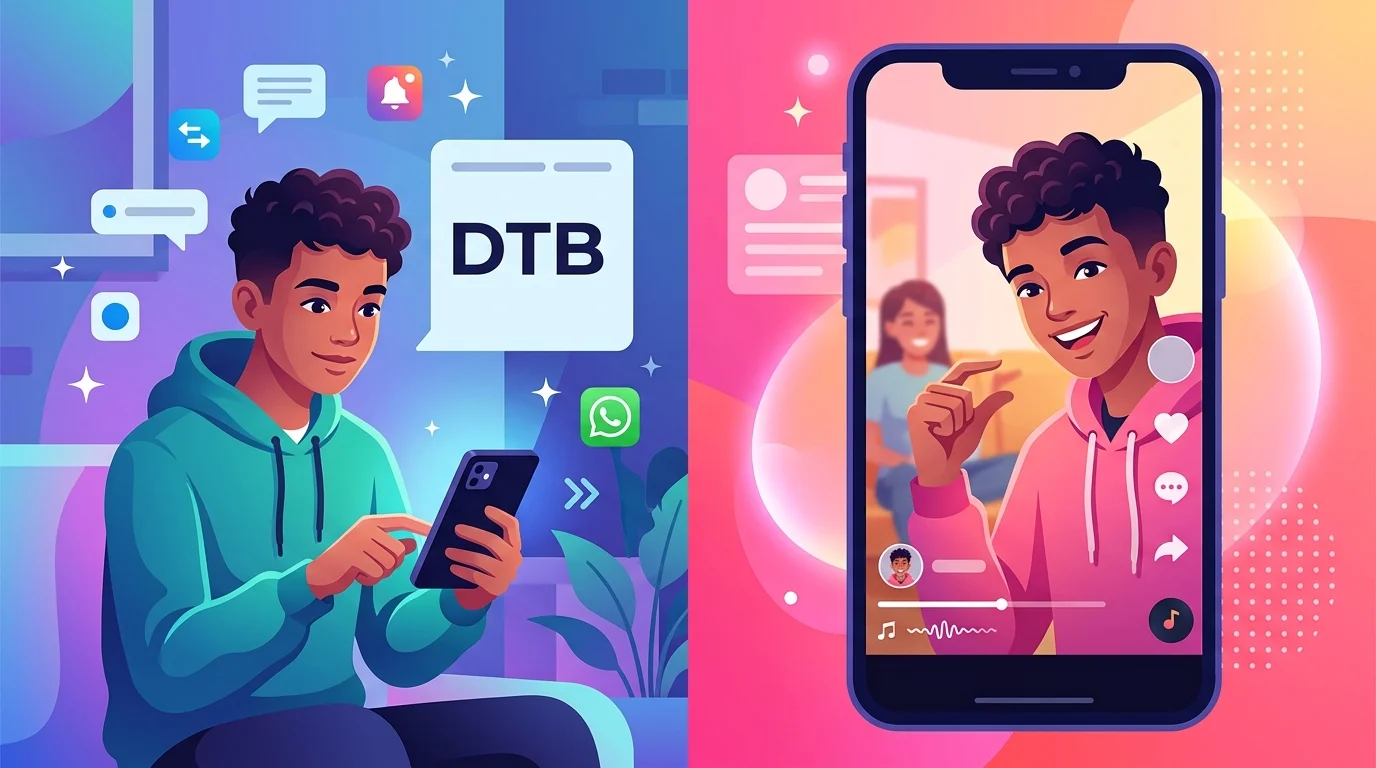
In text messages and direct chats, DTB stands for “Don’t Text Back.” People add it at the end of a message to signal that no reply is needed or wanted . The abbreviation sets a boundary without requiring a long explanation.
This usage dates back to at least 2008 when limited texting plans made every message count . Sending DTB saved the recipient from wasting a message on a reply. The term survived because it remains useful. Sometimes you just want to share information without starting a conversation.
DTB can appear in several situations. You might send it when heading into a meeting. You might use it when going to bed. He might also use it when you simply do not want to continue a conversation . The tone can be neutral or firm depending on the surrounding words.
How to Use DTB in Text Conversations
DTB works best at the end of a message. It functions as a gentle instruction rather than a separate statement.
A simple example would be: “I’ll meet you after work. In a meeting, DTB.” This tells the person you will respond later but should not be disturbed now . Another example: “Heading to bed now. When you see this, DTB.” The abbreviation closes the loop without requiring acknowledgment.
The term can also carry a harsher tone. Sending “Leave me alone, DTB” or “You’re annoying, DTB” turns the abbreviation into a form of rejection . Context and relationship determine how the recipient interprets it.
One important caution applies here. DTB is not universally known. If the person you are messaging does not understand the acronym, they will likely reply, which defeats the purpose . When in doubt, spell it out.
DTB on TikTok: The Emotional Meaning
On TikTok, DTB takes on a completely different meaning. Most users interpret it as “Don’t Trust Boys” or “Don’t Trust B*****s” . The acronym appears in videos about heartbreak, betrayal, and bad relationships.
The phrase gained massive popularity through rapper A Boogie wit da Hoodie’s 2020 song “DTB 4 Life” . The lyrics express distrust in romantic partners. TikTok users adopted the acronym for breakup videos and stories about being wronged. Hashtags like #DTB and #DTB4L accumulated billions of views .
Videos using DTB often follow a pattern. Someone shares a negative dating experience. The caption or comment includes DTB as a statement of solidarity or a warning. Some creators add a wholesome twist with “DTB except for…” followed by appreciation for their current partner .
The DTB Trend on TikTok Explained
A viral trend in December 2024 brought new attention to DTB. The DTB trend involves people pinching their fingers together to playfully “crush” the head of someone in the background . The gesture mimics a recurring gag from the 1980s comedy show Kids in the Hall .
The trend traces back to Diamond the Body, a cast member on Baddies Caribbean . Her initials happen to be DTB. A video of her pinching someone’s face in the background went viral in early December 2024 . TikTokers began recreating the move with captions referencing DTB.
This created confusion about the acronym’s meaning. Some users thought DTB stood for Diamond the Body. Others maintained it meant “Don’t Trust Boys” or “Don’t Trust B*****s” . The trend and the acronym merged into one viral moment.
DTB vs Similar Social Media Terms
Several other abbreviations overlap with DTB in digital spaces. Understanding the differences helps avoid confusion.
DTF means “Down to F***” and carries a sexual connotation. DTB has no such meaning. The two should never be confused.
DTM stands for “Doing Too Much” and describes someone who is overreacting or being extra. DTB focuses on trust and communication boundaries instead.
NR means “No Reply” and functions similarly to DTB in texting contexts. Both signal that a response is not needed. DTB is more specific to text messaging while NR appears in email and other formats.
BRB means “Be Right Back” and indicates a temporary absence. DTB signals a more complete pause in communication.
When Not to Use DTB
DTB does not belong in every conversation. Its texting meaning can come across as dismissive or rude if used poorly.
Avoid using DTB in professional emails, work chats, or any communication with clients or managers. The casual tone does not fit formal settings. A simple “I’ll respond later” works better in those contexts.
The TikTok meaning carries emotional weight. Using DTB in a comment on someone’s heartfelt video about a breakup can seem flippant if you do not know them. Read the room before participating in the trend.
There is also a risk of misinterpretation. If someone knows only the texting meaning and you use the TikTok meaning, confusion follows. Always consider your audience before sending those three letters.
Why DTB Became Popular
DTB grew for two separate reasons. The texting version filled a practical need. People wanted to send messages without starting conversations. DTB provided a quick way to say “I’m sharing this, but I don’t need a response.”
The TikTok version tapped into something emotional. Breakup culture and dating frustration have always existed. Social media gave people a platform to share those experiences. DTB became a shorthand for a shared feeling. It said “I’ve been hurt, and I’m not ready to trust again.”
The 2024 trend added a layer of playfulness. The head-crushing gesture was silly and meme-worthy. It let people engage with the acronym without diving into heavy emotions . The trend’s virality pushed DTB into feeds of users who had never encountered it before.
FAQs
What does DTB mean in slang?
DTB has two main slang meanings. In texting, it stands for “Don’t Text Back.” On TikTok and social media, it usually means “Don’t Trust Boys” or “Don’t Trust B*****s.”
Is DTB rude?
The texting meaning can be rude if used harshly. Saying “Leave me alone, DTB” carries a dismissive tone. The TikTok meaning is emotional and typically shared among people discussing relationship experiences.
What does DTB mean on TikTok?
On TikTok, DTB most commonly means “Don’t Trust Boys” or “Don’t Trust B*****s.” It appears in videos about heartbreak and betrayal. A 2024 trend also associated the acronym with reality star Diamond the Body.
What is the DTB trend?
The DTB trend involves pinching your fingers to playfully “crush” the head of someone in the background. It started from a gesture by Diamond the Body on Baddies Caribbean and spread across TikTok in December 2024.
Can DTB mean something else?
Yes. DTB has dozens of technical and organizational meanings. These include Deutsche Börse, Digital Talking Books, and Dual Throttle Bodies. Context determines which meaning applies.
Who started the DTB trend?
Diamond the Body, a cast member on Baddies Caribbean, inspired the trend. Her signature head-pinching move went viral in early December 2024 and TikTokers began recreating it.
Is DTB safe to use at work?
No. DTB is casual slang and does not belong in professional communication. Use full sentences like “No reply needed” in work settings.
What is the difference between DTB and DTF?
DTB means “Don’t Text Back” or “Don’t Trust Boys.” DTF means “Down to F***” and carries a sexual meaning. They are completely different.
Why do people say DTB for life?
“DTB for life” comes from a 2020 song by A Boogie wit da Hoodie. It expresses a commitment to not trusting romantic partners after being hurt. TikTok users adopted it for breakup content.
How do I know which DTB meaning is being used?
Look at the platform and context. A text message ending with DTB likely means “Don’t Text Back.” A TikTok video about relationships likely uses the “Don’t Trust Boys” meaning.
Conclusion
The dtb meaning depends entirely on where you see it. In a text message, it means “Don’t Text Back” and signals that no reply is needed. On TikTok, it means “Don’t Trust Boys” or “Don’t Trust B*****s” and carries emotional weight from dating experiences. A 2024 trend added Diamond the Body to the mix with a playful head-crushing gesture. The only way to know which meaning applies is to read the platform, the tone, and the relationship between the people involved. When in doubt, a simple question clears up any confusion faster than guessing.
Slang evolves quickly, and DTB may take on new meanings in the coming years. For now, these definitions cover almost every situation you will encounter. Learn them once, and you will never be lost when those three letters appear in your feed.