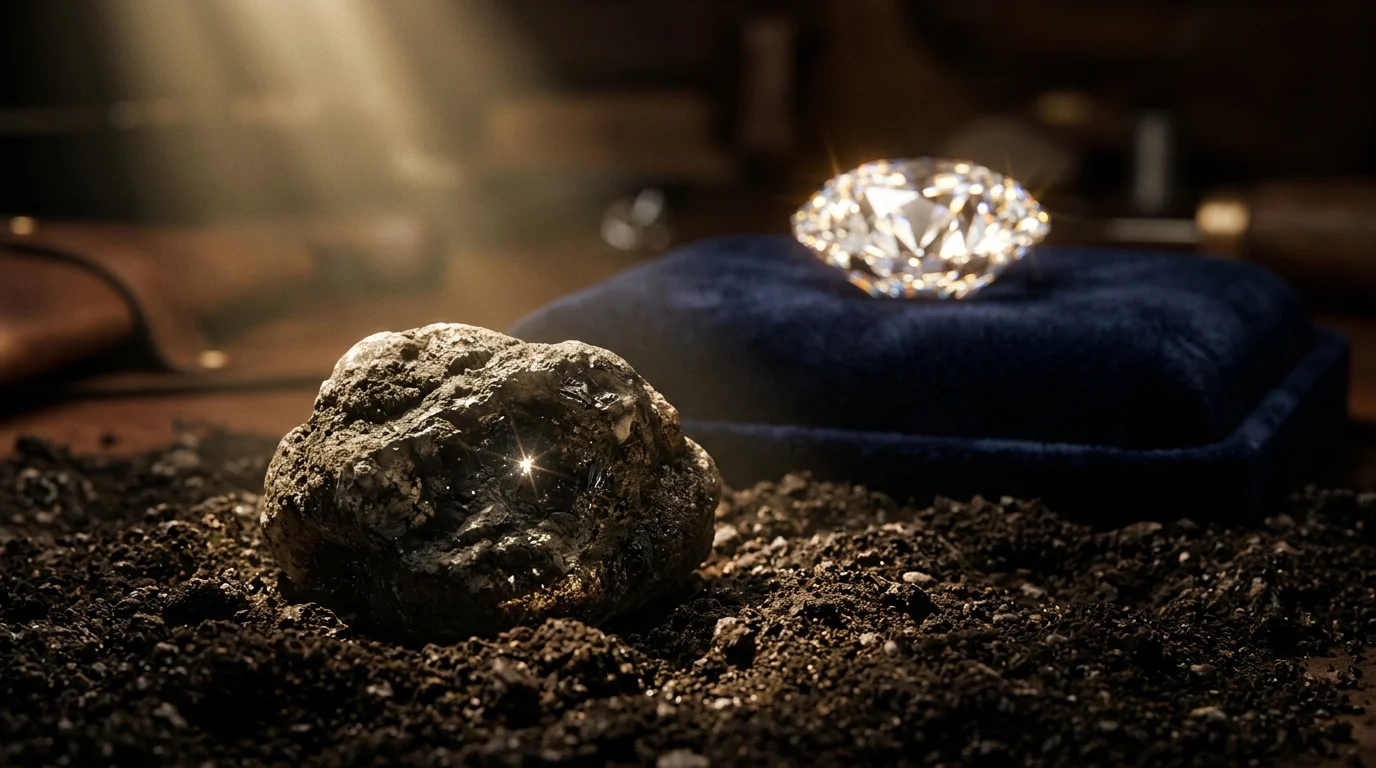
Quick Ans: The phrase diamond in the rough meaning refers to a person or thing with great potential that is hidden by a lack of polish. The idiom describes someone who has valuable qualities beneath a rough exterior. With time, care, and the right conditions, that hidden worth can shine through. This guide explains the full meaning, origin, usage, and modern relevance of this popular expression.
Understanding idioms like this one makes language richer and more expressive. New slang appears constantly, but some phrases stand the test of time. Diamond in the rough is a perfect example. It has moved from classic literature into everyday speech without losing its power. Knowing how to use it correctly helps you describe people and situations with precision.
What Does Diamond in the Rough Mean?
A diamond in the rough is a person or thing with exceptional potential that is not yet visible to everyone. The phrase compares an unpolished gem to someone who has not yet developed their talents or refined their character. The raw diamond is valuable, but it looks ordinary until it is cut and polished.
The idiom carries a positive and hopeful tone. It suggests that the person or object has worth, even if that worth is difficult to see right now. The phrase is often used to encourage someone. It reminds them that their current state does not define their future.
The term belongs to both casual and formal communication. It fits perfectly in conversations, speeches, articles, and creative writing. It also works in professional settings when describing promising employees or investments. The flexibility of the phrase is one reason it remains so popular.
Sometimes people use it to describe romantic partners. A person might say their partner is a diamond in the rough, meaning they have wonderful qualities that others overlook. The phrase can also describe ideas, projects, or opportunities that need development before they reach their full value.
Origin of Diamond in the Rough
The origin of diamond in the rough traces back to the literal process of mining and cutting diamonds. Raw diamonds pulled from the earth look like ordinary stones. They are dull, cloudy, and unremarkable. Only after careful cutting and polishing do they become the sparkling gems people admire.
The phrase gained popularity in English literature during the eighteenth and nineteenth centuries. Writers used it to describe characters who seemed ordinary at first but revealed great worth over time. The idiom fit perfectly with stories about underdogs and unlikely heroes.
Over time, the phrase moved from literature into everyday speech. It became a common way to describe anyone with hidden potential. The meaning remained consistent even as the context changed. Today it appears in books, movies, songs, and casual conversation around the world.
The phrase is related to other idioms about hidden value. Rough around the edges describes someone who lacks polish but has good qualities. Uncut gem is a direct synonym for diamond in the rough. Hidden treasure carries a similar meaning of value waiting to be discovered.
How to Use Diamond in the Rough in Sentences
Diamond in the rough works in many different situations. Its flexibility is one reason it became so common.
The most common usage is describing a person with hidden talent. A sentence like “The new intern is a diamond in the rough” suggests that the intern shows promise but needs training and experience. The tone is encouraging and optimistic.
Another common usage is describing a place or object with potential. If you find an old house that needs repairs but has beautiful architecture, you might call it a diamond in the rough. The phrase suggests that the flaws are temporary and the value is real.
The idiom also appears in business contexts. Investors might describe a struggling startup as a diamond in the rough if the company has a strong idea but poor execution. The phrase signals that the business could succeed with better management or more resources.
In relationships, the phrase can describe a partner who has wonderful qualities but lacks social polish or refinement. A person might say “He is a diamond in the rough” to explain why they see value that others miss. The tone is affectionate and patient.
The phrase can also describe creative work. An editor might call a manuscript a diamond in the rough if the story is compelling but the writing needs work. The phrase acknowledges both the flaws and the potential.
Diamond in the Rough on Social Media
Diamond in the rough is everywhere on social media. It appears in TikTok videos, Instagram captions, Twitter posts, and YouTube comments. The phrase fits the fast pace of these platforms because it is recognizable and emotionally resonant.
On TikTok, the phrase often appears in videos about personal growth and self worth. A creator might share a story about being underestimated and end with “I was a diamond in the rough.” The phrase becomes a message of hope for viewers facing similar struggles.
On Instagram, the idiom shows up in captions and story text. Influencers and regular users alike use it to describe people they admire or moments of discovery. A caption like “Found this diamond in the rough at a thrift store” creates a relatable, exciting tone.
On Twitter, the phrase is standard vocabulary. Users apply it to everything from sports prospects to hidden music gems. The idiom works well in short posts because it carries so much meaning in just five words.
Diamond in the Rough vs Similar Idioms
Several other idioms overlap with diamond in the rough. Understanding the differences helps avoid confusion.
Rough around the edges describes someone who lacks polish but has good qualities. The focus is on social skills or presentation rather than hidden value. A person who is rough around the edges might be blunt or unrefined, but they are not necessarily hiding great potential.
Uncut gem is a direct synonym. It carries the same meaning of hidden value waiting to be revealed. The two phrases are interchangeable in most contexts.
Hidden treasure emphasizes discovery. It suggests that something valuable has been overlooked or forgotten. The phrase is often used for places, objects, or opportunities rather than people.
Late bloomer focuses on timing. It describes someone who develops skills or success later than expected. The phrase does not necessarily imply hidden value. It simply suggests a delayed timeline.
When Not to Use Diamond in the Rough
Diamond in the rough does not belong in every conversation. Its positive tone makes it unsuitable for situations that require direct criticism.
Avoid using the phrase to excuse bad behavior. Calling someone a diamond in the rough should not be a way to justify rudeness or incompetence. The idiom is about potential, not permission to remain unpolished forever.
There is also a risk of sounding condescending. Telling someone they are a diamond in the rough implies that you see their flaws clearly. Some people may find this offensive. Use the phrase with care and only when the context supports encouragement.
The idiom can also feel clichéd in certain settings. In business writing or academic papers, consider using more specific language. Phrases like “high potential” or “promising candidate” may communicate the same idea more professionally.
Alternative Meanings of Diamond in the Rough
While hidden potential is the dominant meaning, the phrase carries other associations in specific contexts. Knowing these alternatives helps avoid misunderstandings.
In sports, diamond in the rough describes a player with raw talent who needs coaching. Scouts use the term for athletes who were overlooked in drafts but have the physical tools to succeed.
In education, the phrase describes students who struggle with traditional methods but show exceptional creativity or intelligence. Teachers use it to remind themselves that every student has value.
In entertainment, the idiom appears in movie titles, song lyrics, and book names. The phrase has become a cultural shorthand for underdog stories and redemption arcs.
In gemology, the phrase has a literal meaning. A rough diamond is an uncut stone that has not yet been processed. The term is used in the jewelry industry to describe stones before they reach the cutting stage.
Why Diamond in the Rough Became Popular
Diamond in the rough grew from a literal description of gemstones into a universal metaphor for potential. The phrase spread because it captures a universal human experience. Everyone has felt overlooked or underestimated at some point.
The idiom also fits the cultural value of second chances and self improvement. It suggests that people can change and grow. This message resonates across generations and cultures.
The phrase became especially popular in American culture through movies and music. Films about underdogs and unlikely heroes often use the idiom in marketing and dialogue. Songs use it in lyrics about love and redemption. Each new use keeps the phrase alive.
FAQs
What does diamond in the rough mean?
Diamond in the rough describes a person or thing with great potential that is hidden by a lack of polish. It suggests that valuable qualities exist beneath a rough exterior.
Is diamond in the rough a compliment?
Yes. The phrase is generally a compliment. It acknowledges flaws while emphasizing hidden worth and future potential. Tone matters, so use it with care.
Can I use diamond in the rough in professional settings?
Yes. The phrase works in business and professional contexts when describing promising employees or investments. It carries a positive tone that encourages development.
Where did diamond in the rough originate?
The idiom comes from the literal process of mining and cutting diamonds. Raw diamonds look like ordinary stones until they are polished. Writers adopted the phrase in the eighteenth and nineteenth centuries.
What is another way to say diamond in the rough?
Similar phrases include uncut gem, hidden treasure, and rough around the edges. Each carries a slightly different nuance but expresses the same core idea.
Does diamond in the rough have a negative meaning?
No. The phrase is positive overall. It focuses on potential and future value. However, it can sound condescending if used carelessly.
Can diamond in the rough describe a place?
Yes. The phrase can describe a place with potential, like an old house or a struggling neighborhood. It suggests that the location has value waiting to be revealed.
Is diamond in the rough used in other languages?
Yes. Many languages have similar idioms about hidden value. The exact wording differs, but the meaning remains consistent across cultures.
How do I use diamond in the rough in a sentence?
You can say “She is a diamond in the rough” to describe someone with hidden talent. You can also say “This neighborhood is a diamond in the rough” to describe a place with potential.
Why do people use diamond in the rough?
People use the phrase to encourage others, describe hidden potential, or explain why they see value that others miss. It is a hopeful and expressive idiom.
Conclusion
The diamond in the rough meaning is simple and powerful. It describes a person or thing with great potential hidden beneath an unpolished surface. The phrase comes from the literal process of cutting diamonds and has become a universal metaphor for hidden worth. You can use it in conversations, writing, and social media to encourage others or describe overlooked value. When you see this idiom, you now know exactly what it means. Use it naturally, and your language will feel more expressive and connected.