Quick Ans: The OPP meaning depends entirely on context, yet unlike many slang acronyms, these three letters carry decades of musical history and several distinct definitions across generations. It can point to a rival, a romantic side piece, a legal doctrine, or a Canadian police force. This guide breaks down every major meaning so you can decode the term no matter where you encounter it.
Understanding acronyms with layered histories has become a daily necessity for anyone navigating modern communication. New slang appears every week; consequently, older abbreviations accumulate fresh meanings as they spread across platforms. OPP is a perfect example of this evolution. It started as a hip-hop phrase in 1991, then became a legal term, a policing acronym, and now a casual word for enemies in everyday slang. Some meanings are musical. Some are institutional. One is purely adversarial. Knowing which one applies can save you from an awkward misunderstanding.
The Core OPP Meanings
In everyday conversation, OPP most often carries one of two meanings. The first is adversarial and casual. The second is romantic and secretive.
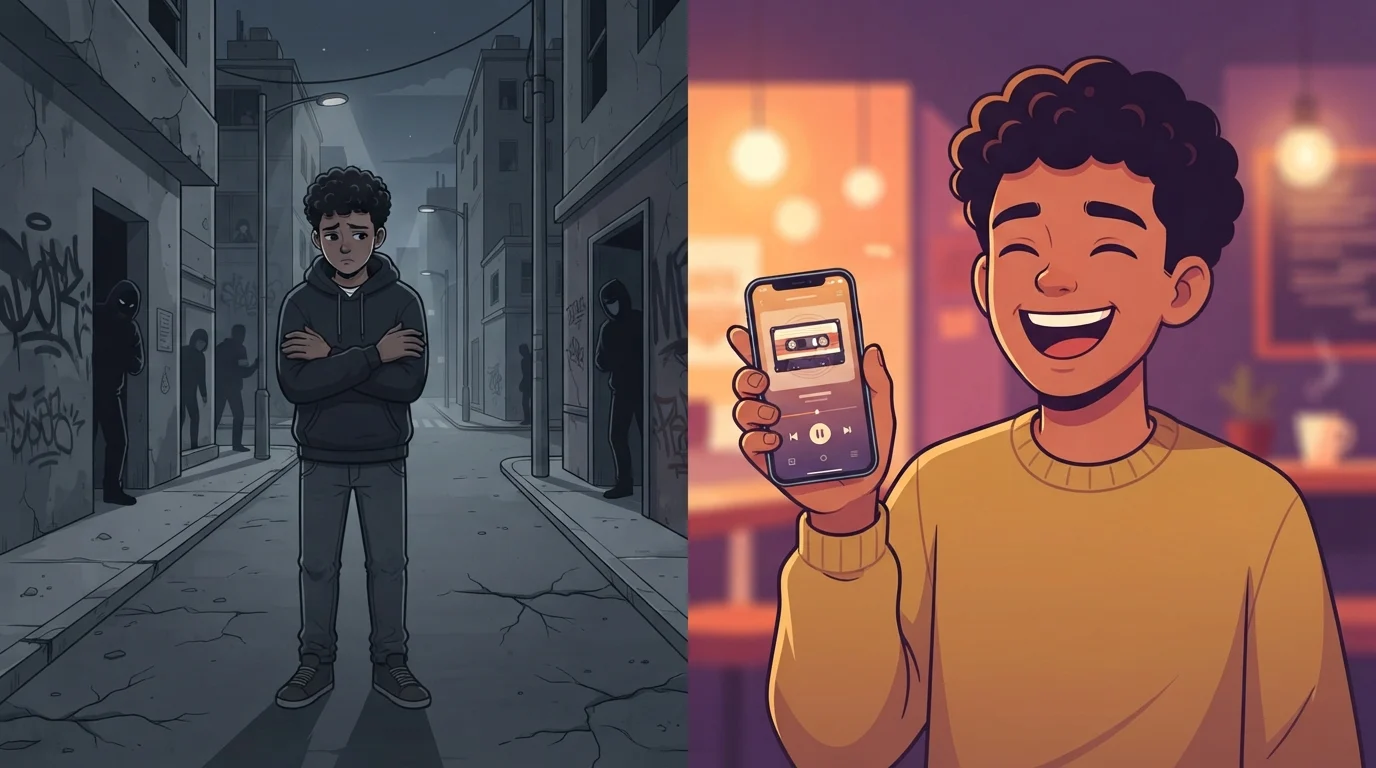
The most widespread modern definition is opposition or opponent, referring to enemies, rivals, or people who actively work against you. This phrase captures a state of conflict. You are not merely disagreeing. You are completely opposed, as if every interaction is a battle. People use it in street slang, gaming, and online arguments. The acronym says more than “enemy” sometimes could.
A classic hip-hop definition is Other People’s Pussy (or, more politely, Other People’s Property). This version comes from the 1991 Naughty by Nature hit song “O.P.P.” and describes infidelity or pursuing someone who is already in a relationship. The song itself borrowed the acronym from a 1970s saying among Black teens, where it stood for “other people’s pussy” or “other people’s property.” The humor comes from how blunt it sounds. Three letters replace an entire confession.
Both meanings share a common thread. They describe something outside your circle. One is outside your alliance. The other is outside your relationship.
OPP in Music and Pop Culture
OPP takes on a legendary life in hip-hop history. There, it refers to one of the most iconic acronyms in rap, popularized by Naughty by Nature’s 1991 single “O.P.P.”
The song’s hook famously asks, “Is it real or is it a scam?” while the acronym itself was marketed as “Other People’s Property” to avoid explicit language on radio. The track became a cultural phenomenon, teaching listeners everywhere to spell out O-P-P. It reached number six on the Billboard Hot 100 and became a staple of early ’90s hip-hop.
In the decades since, OPP has appeared in countless songs, interviews, and cultural references. Other artists have referenced it, sampled it, and paid homage. The acronym has become shorthand for cheating, sneaking, and the thrill of forbidden attraction.
Another variation exists in comedy and film. Chris Rock and other comedians have referenced the song and its meaning, cementing OPP as part of the broader pop culture lexicon.
OPP in Law and Institutions
OPP carries serious weight in legal and institutional contexts. There, it stands for Ontario Provincial Police, the provincial police force serving Ontario, Canada. This usage appears in news reports, crime stories, and official statements.
In legal writing, OPP can refer to Opposition, especially in patent law. An “opposition proceeding” is a formal challenge to a patent application or grant. The acronym appears in legal documents, court filings, and intellectual property discussions.
In business and planning, OPP stands for Office of Policy and Planning or Operational Performance Programs, depending on the organization. Each field has its own vocabulary, and the casual versions rarely cross into these spaces.
How to Tell Which OPP Meaning Is Being Used
Context is everything with this acronym. The setting and tone reveal the intended meaning before the letters do.
If the message involves conflict, rivalry, or street slang, the “opposition” meaning is likely. Phrases like “my opps” or “the opps are watching” point to the adversarial definition. These references often appear in rap lyrics, gaming chats, or social media arguments. The tone is usually defensive or aggressive.
When OPP appears in a romantic or suggestive context, the Naughty by Nature meaning usually applies. References to cheating, side pieces, or the song itself clearly point to the “Other People’s Pussy” definition. The tone is usually playful or confessional.
In news reports about Canadian crime, the Ontario Provincial Police meaning dominates. Mentions of Ontario, investigations, or official statements point in this direction. The tone is serious and factual.
In legal documents, the patent opposition meaning becomes relevant. References to filings, challenges, or intellectual property point in this direction.
When Not to Use OPP Casually
OPP does not belong in every conversation. Its hip-hop meaning contains explicit language and expresses a taboo subject. Using it at work, in school threads, or with people you do not know well can come across as rude or unprofessional.
There is also an institutional meaning to consider. The Ontario Provincial Police is a real law enforcement agency. Treating OPP as casual slang in a Canadian context can seem dismissive of a real authority.
Other professional contexts use OPP differently. In patent law, the term carries legal weight. In business, it refers to planning offices. Each field has its own vocabulary, and the casual version rarely crosses into these spaces.
The safest approach is to match the register of the conversation. Slang belongs in casual chats with friends. Formal writing and professional communication call for clarity over shorthand.
OPP vs Similar Terms
Several other acronyms overlap with OPP in different spaces. Understanding the differences helps avoid confusion.
Op is short for “opposition” or “opponent” in gaming and online slang. It is singular and less specific. Someone might call a rival an “op,” but “opps” refers to a group of enemies.
OP stands for “overpowered” in gaming or “original poster” in forums. The distinction is small but important for anyone navigating online spaces.
O.P.P. with periods is the song title and the classic acronym. Without periods, OPP is more casual and more flexible.
Opps is the plural form of the slang meaning. It refers to multiple enemies or rivals. The singular “opp” is less common but still used.
Why OPP Became Popular
The hip-hop version of OPP grew alongside the golden age of rap. Naughty by Nature wanted a catchy hook that spelled out a taboo concept. The acronym did the job better than a paragraph of explanation. It became an in-group signal. Those who understood the song felt a small connection with the person using it.
The slang “opposition” version spread through street culture and gaming communities. People wanted a short, sharp word for enemies. Three letters did the job better than “opponent.”
The institutional versions persist because they serve real functions. Police forces need acronyms. Legal proceedings need labels. Each usage reflects its own world.
Regional and Platform Variations
OPP does not mean the same thing everywhere. Platform culture and geography shape how the acronym is used.
In hip-hop and music communities, the Naughty by Nature meaning dominates. Fans reference the song, debate its legacy, and use the acronym as shorthand for cheating.
In gaming and online arguments, the “opposition” meaning dominates. Players call their rivals “opps” and talk about “opps” in battle royale games.
In Canada, the Ontario Provincial Police meaning dominates in news and official contexts.
In case of legal and patent discussions, the opposition meaning dominates.
If it is group chats among close friends, any of the meanings can appear. The shared context makes the intended definition obvious. Outsiders reading the conversation later might struggle, but the participants never pause to clarify.
FAQs
What does OPP mean?
OPP most commonly means opposition or opponent in slang, or Other People’s Pussy from the Naughty by Nature song.
Is OPP a bad word?
OPP is not inherently profane, but its hip-hop meaning carries explicit connotations.
What does OPP mean on TikTok?
On TikTok, OPP usually means opposition or enemies in slang contexts.
What does OPP mean in texting?
In texting, OPP usually means enemies, rivals, or the classic song reference.
Can OPP mean something romantic?
Yes, OPP can refer to infidelity or pursuing someone in a relationship.
What is the difference between OPP and OP?
OP means overpowered or original poster, while OPP means opposition or the song acronym.
Does OPP have a legal meaning?
Yes, OPP can refer to opposition proceedings in patent law.
Is OPP safe to use in professional settings?
No, OPP slang does not belong in professional communication.
Why do people say OPP on TikTok?
On TikTok, OPP appears in comments about rivals, drama, or the classic song.
How do I know which OPP meaning is being used?
Look at the platform, the tone, and the surrounding words to determine the intended meaning.
Conclusion
The OPP meaning shifts with every context. In a rap lyric, it means Other People’s Pussy. If it is a street argument, it means enemies. In case of Canadian news, it means Ontario Provincial Police. In a patent filing, it means opposition. The only way to know which meaning applies is to read the setting, the tone, and the relationship between the people involved. When in doubt, a simple question clears up any confusion faster than guessing.
Slang evolves quickly, and OPP may take on new shades of meaning in the coming years. For now, these definitions cover almost every situation you will encounter. Learn them once, and you will never be lost when those three letters appear in your feed.