Quick Ans: The no pun intended meaning refers to a phrase people use after saying something that accidentally contains a wordplay or double meaning. When a speaker or writer notices that their words created an unintended joke, they add this phrase to clarify that the wordplay was not planned. It is a way of acknowledging the coincidence while distancing themselves from it.
This phrase appears everywhere in modern communication. You will find it in casual conversations, social media captions, news articles, and even professional writing. Understanding when and why people use it can improve your own writing and help you catch clever wordplay that others might miss.
What Does No Pun Intended Mean?
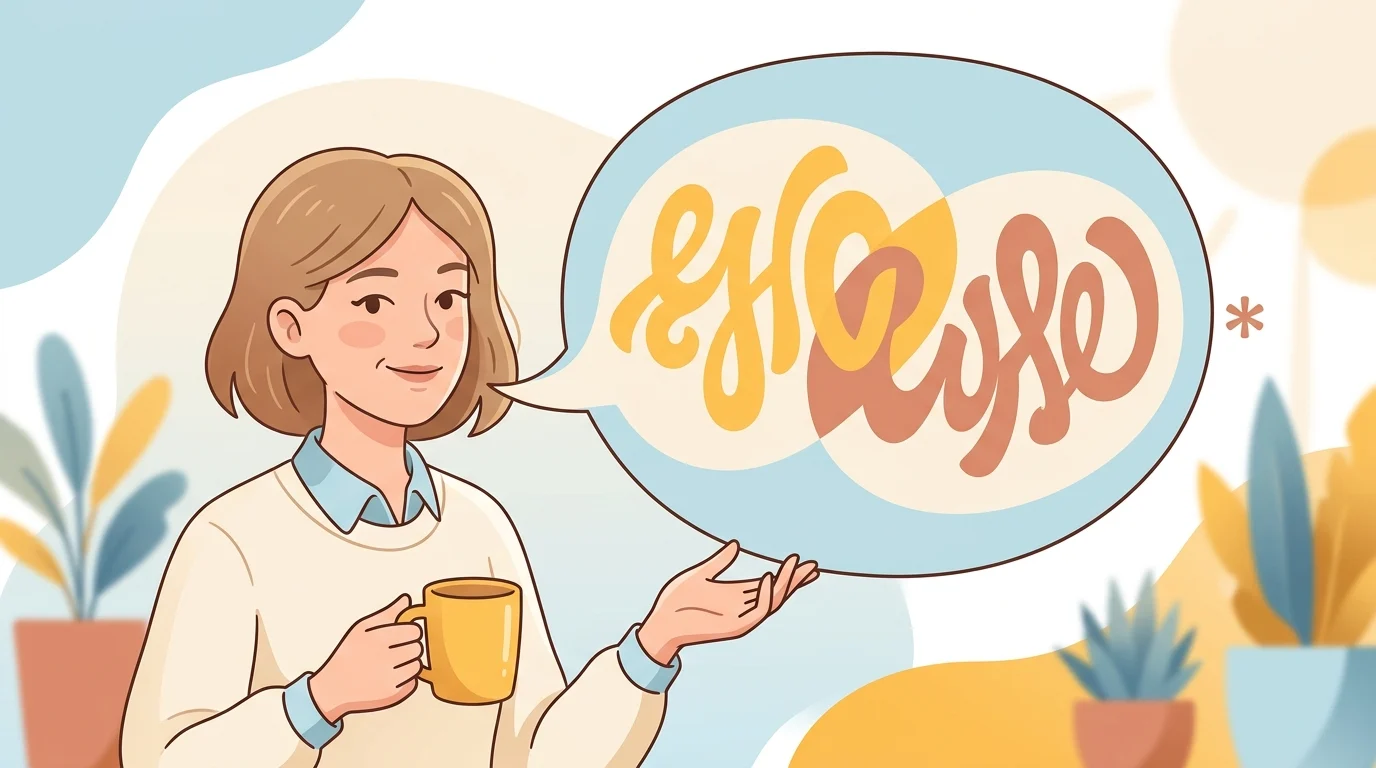
The no pun intended definition is simple. A pun is a play on words that uses a single term to suggest two different meanings. When someone says “no pun intended,” they are telling the audience that any wordplay in their statement happened by accident.
The phrase often follows a sentence where one word carries an unintended double meaning. For example, if someone says “The bakery is running out of dough, no pun intended,” they are acknowledging that “dough” can mean both the mixture used in baking and money. The speaker did not plan the joke, but they noticed it after speaking.
This clarification serves several purposes. It shows self-awareness. It prevents the audience from thinking the speaker is trying too hard to be funny. It also draws attention to the wordplay, which can make the statement more memorable.
When Do People Use No Pun Intended?
People use this phrase in specific situations. Recognizing these situations helps you understand the intent behind the words.
The most common scenario involves accidental wordplay. A person speaks or writes naturally, then realizes that one of their words creates a double meaning. Adding the phrase acknowledges the coincidence without claiming credit for a joke.
Another common usage appears when someone wants to highlight clever wordplay without seeming boastful. By saying “no pun intended,” they can point out the double meaning while maintaining an appearance of modesty. This works especially well in social settings where humor is valued but arrogance is not.
Sometimes people use the phrase sarcastically. They intentionally craft a pun and then say “no pun intended” to pretend it was accidental. This ironic usage adds a layer of humor. The audience understands that the pun was absolutely intended, which makes the joke funnier.
Examples of No Pun Intended in Sentences
Seeing the phrase in context makes its meaning clearer. Here are several examples that show how it works in everyday communication.
Example 1: “I have a lot on my plate right now, no pun intended.” The speaker is talking about being busy while eating a meal. The phrase “on my plate” works both literally and figuratively.
Example 2: “The electrician was shocked by the bill, no pun intended.” The word “shocked” relates to electricity and to surprise. The speaker notices the connection and clarifies it was accidental.
Example 3: “That movie really dragged, no pun intended.” If the film features a drag queen or a scene about dragging, the word takes on a double meaning. The speaker adds the phrase to acknowledge it.
Example 4: “She has a sharp tongue, no pun intended.” If the person in question literally has a sharp object near her tongue, the phrase becomes necessary. Otherwise, it simply highlights the figurative expression.
Example 5: “The construction worker hit the nail on the head, no pun intended.” This phrase means being exactly right, but it also describes a literal action in construction. The clarification separates the idiom from the physical act.
No Pun Intended vs Pun Intended
The opposite phrase is pun intended. People use it when they want to take credit for a deliberate wordplay. If someone crafts a clever double meaning on purpose, they might say “pun intended” to make sure the audience catches the joke.
The difference between the two phrases comes down to intent. “No pun intended” signals an accident. “Pun intended” signals deliberate wit. Both phrases draw attention to wordplay, but they frame it differently.
Some writers use “pun intended” without the word “no” at the beginning. They simply state “pun intended” after a clever sentence. This direct approach works well in comedy writing and social media posts where humor is the main goal.
Why People Use No Pun Intended
The phrase serves several social and communicative functions. Understanding these functions explains why it remains so popular.
First, it manages audience perception. Without the phrase, listeners might think the speaker is making a deliberate joke. If the joke falls flat, this perception could hurt the speaker’s credibility. Adding the clarification protects against this outcome.
Second, it creates connection. The phrase invites the audience to notice the wordplay. This shared recognition creates a small moment of understanding between speaker and listener. It is a form of inside humor that does not exclude anyone.
Third, it adds humor without risk. The speaker can point out a funny coincidence without fully committing to a joke. If the audience laughs, great. If not, the speaker can move on without awkwardness.
Fourth, it demonstrates language awareness. Using the phrase shows that the speaker pays attention to words and their multiple meanings. This skill is valued in writing, comedy, and everyday conversation.
Common Misconceptions About No Pun Intended
Several misunderstandings surround this phrase. Clearing them up helps you use it correctly.
One misconception is that the phrase always means the pun was truly accidental. In reality, many people use it ironically. They know exactly what they are doing and pretend otherwise. Context and tone reveal the true intent.
Another misconception is that the phrase is only for humorous situations. People also use it in serious contexts to clarify their meaning. A business report might include the phrase to avoid confusion about a double meaning.
A third misconception is that the phrase is formal or old fashioned. While it has existed for centuries, it remains common in modern speech and writing. Social media has kept it alive and even expanded its usage.
No Pun Intended in Literature and Media
Writers have used this phrase for generations. Shakespeare employed puns constantly, though he rarely apologized for them. Modern authors sometimes use “no pun intended” in dialogue to make characters seem more natural and self-aware.
Journalists use the phrase when reporting on stories that contain accidental wordplay. A headline about a bank robbery might say “Teller Left Speechless, No Pun Intended.” The phrase signals that the writer noticed the double meaning and wants readers to know it was not planned.
Comedians use the phrase as a comedic tool. They might deliver a perfect pun and then say “no pun intended” with a straight face. The audience knows the pun was absolutely intended, which makes the moment funnier.
How to Use No Pun Intended Correctly
Using this phrase well requires timing and awareness. Here are some practical tips.
Place the phrase immediately after the sentence containing the pun. Delaying it too long weakens the connection. The audience should still have the wordplay fresh in their minds.
Use a comma before the phrase when it appears at the end of a sentence. This punctuation separates the main statement from the clarification.
Avoid overusing the phrase. If every other sentence includes “no pun intended,” it loses its impact. Save it for moments when the wordplay is truly noticeable and worth acknowledging.
Consider your audience. In casual settings, the phrase works well. In formal writing, it may seem out of place unless the context supports it.
Conclusion
The no pun intended meaning is straightforward but layered. It refers to a phrase people use when they accidentally create wordplay and want to clarify their intent. The phrase manages audience perception, creates connection, and adds humor without risk. It appears in conversations, social media, journalism, and literature. Understanding when and how to use it makes your communication sharper and more engaging. Whether you are pointing out an accidental double meaning or pretending a deliberate pun was unintentional, this phrase gives you a useful tool for navigating the playful side of language.