Quick Ans: The foghorn meaning connects sound, safety, and culture. In its most basic sense, a foghorn is a loud horn used to warn ships away from danger when visibility is low. Over time, the word has taken on slang meanings, literary associations, and even a famous cartoon character. This guide covers every major meaning so you can understand the term no matter the context.
Understanding words with multiple layers makes communication richer. Some terms begin as practical tools and grow into cultural symbols. Foghorn is a perfect example. It started as a maritime safety device and became a metaphor for loud voices, a beloved Looney Tunes character, and a poetic image of loneliness at sea. Knowing the full story behind the word makes it far more interesting.
What Does Foghorn Mean?
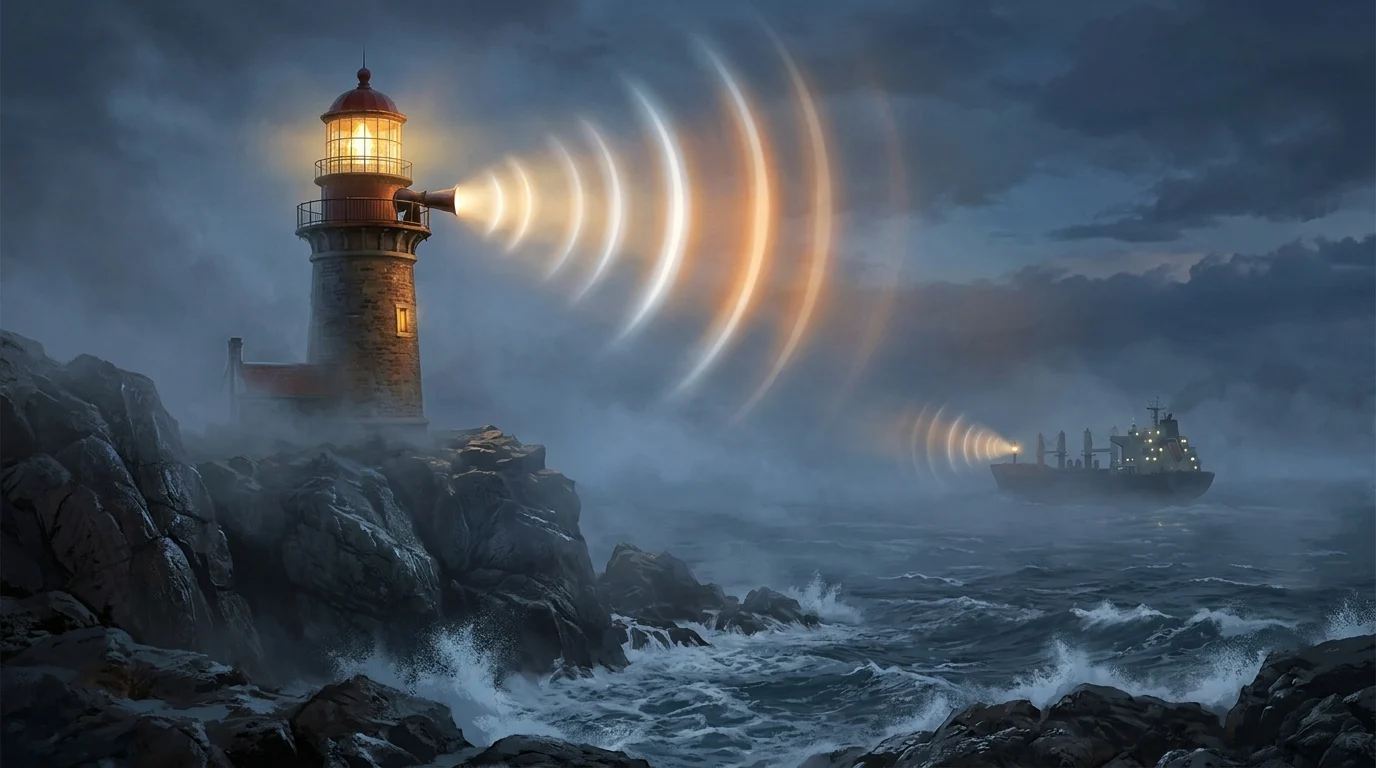
Foghorn means a loud, deep sounding horn used to warn ships of danger in foggy or low visibility conditions. The device produces a powerful blast of sound that travels long distances over water. Ships, lighthouses, and buoys all use foghorns to signal their position and prevent collisions.
The term belongs to both technical and casual communication. It fits perfectly in maritime guides, safety manuals, and everyday conversation. The meaning shifts based on the field. In every case, the core idea remains the same. Something loud is warning others of danger or announcing a presence.
Sometimes people write it as two words, “fog horn,” though this is less common. The single word form is standard in most contexts. Both versions carry the same meaning.
How Foghorns Work
Foghorns work by forcing compressed air or steam through a horn or trumpet shaped device. The sound produced is low in pitch and carries far over water. This makes it ideal for foggy conditions when visual signals are useless.
Modern foghorns use automated sensors to detect fog and activate the sound. Older versions required a person to manually trigger the horn. Some lighthouses still have original foghorn mechanisms preserved as historical displays.
The sound pattern matters as much as the sound itself. Different lighthouses and ships use different blast patterns. A long blast followed by a short one means something different from three short blasts. Mariners learn these patterns to identify what kind of vessel or station is nearby.
Foghorn in Maritime History
Foghorn has a rich history in maritime navigation. Before radar and GPS, sound was the only way to detect danger in thick fog.
The first foghorns were simple horns blown by mouth. Later versions used compressed air and steam. By the 19th century, lighthouses around the world were equipped with powerful foghorns that could be heard for miles.
The most famous foghorn in America belonged to the Golden Gate Bridge in San Francisco. Its deep blast became a familiar sound to residents and visitors alike. The bridge still uses a foghorn system today, though modern technology has made it more efficient.
In the United Kingdom, foghorns were used along the coast of Scotland and England. Many coastal towns still remember the sound as part of daily life. Some foghorns have been preserved as museum pieces and tourist attractions.
Foghorn in Popular Culture
Foghorn became a household word thanks to Foghorn Leghorn, the famous Looney Tunes character. He is a large, loud rooster with a Southern accent who first appeared in 1946.
The character’s name comes directly from the foghorn device. He is loud, boastful, and impossible to ignore. His voice carries the same booming quality as the maritime horn. The name fits him perfectly.
Foghorn Leghorn is known for his catchphrases and his tendency to talk over other characters. His personality mirrors the purpose of a real foghorn. He announces his presence loudly and refuses to be ignored. Generations of viewers grew up laughing at his antics, which kept the word foghorn in everyday vocabulary.
Foghorn as Slang
Foghorn carries slang meanings in casual conversation. The most common usage refers to a loud, deep voice. A person with a booming voice might be described as having a foghorn voice. The comparison is direct and vivid.
Another slang usage refers to someone who talks too much or too loudly. Calling someone a foghorn means they are hard to ignore and perhaps a bit annoying. The tone is usually playful rather than cruel.
In some contexts, foghorn can describe a warning sound in general. Any loud alert that signals danger might be called a foghorn, even if it has nothing to do with ships. The meaning has stretched beyond its maritime origins.
Foghorn vs Horn and Similar Terms
Several other terms overlap with foghorn in meaning. Understanding the differences helps avoid confusion.
Horn is a general term for any device that produces a loud sound. A car horn, a train horn, and a foghorn are all horns. Foghorn is more specific. It refers to the maritime warning device.
Siren is a loud sound used for emergencies. Police cars, ambulances, and fire trucks use sirens. Foghorns warn of fog and low visibility, not immediate emergencies.
Whistle is a high pitched sound. A foghorn is low pitched and deep. The two serve different purposes and create different emotional responses.
Bell is another maritime warning device. Buoys often carry bells that ring with the waves. Foghorns are louder and more powerful than bells.
When Not to Use Foghorn
Foghorn does not belong in every conversation. Its specific meaning makes it unsuitable for some contexts.
Avoid using foghorn to describe everyday sounds that are not loud or deep. A quiet voice is not a foghorn. A soft chime is not a foghorn. The word carries weight and volume.
There is also a risk of misinterpretation in casual conversation. If you call someone a foghorn, they might think you are insulting them. Tone matters. Use it playfully with friends, not with strangers or authority figures.
In formal writing, foghorn is acceptable when the context is clear. In academic papers, define the term when you first use it. From business reports, use plain language if your audience may not know the maritime meaning.
Alternative Meanings of Foghorn
While maritime warning is the dominant meaning, foghorn carries other definitions in specific contexts. Knowing these alternatives helps avoid misunderstandings.
In music, foghorn can describe a deep, brassy sound. Some jazz and blues musicians use the term to describe a certain tone quality. The sound is loud, resonant, and attention grabbing.
In literature, foghorn often symbolizes loneliness, isolation, and the unknown. Writers use the sound to create atmosphere in stories set near the sea. The horn becomes a voice calling out in the dark.
In film, foghorn appears in soundtracks and sound effects. Horror movies use foghorn sounds to build tension. The deep blast signals something ominous is near.
In sports, foghorn is sometimes used as a nickname for a loud announcer or a powerful player. The term is informal but descriptive.
Why Foghorn Became Popular
Foghorn grew from a practical tool into a cultural symbol. The device itself saved lives at sea. Its sound became familiar to coastal communities around the world.
The word spread through maritime culture, literature, and animation. Each generation adopted it and gave it new meaning. Foghorn Leghorn brought the term to children. Writers brought it to readers. Musicians brought it to listeners.
Today foghorn appears in songs, movies, books, and everyday speech. Its versatility keeps it relevant. The word carries both practical meaning and emotional weight. That combination is rare and powerful.
FAQs
What does foghorn mean?
A foghorn is a loud, deep sounding horn used to warn ships of danger in foggy conditions. The word also carries slang meanings related to loud voices and cultural references.
How does a foghorn work?
A foghorn forces compressed air or steam through a horn shaped device. The sound is low pitched and travels far over water. Modern foghorns use sensors to detect fog and activate automatically.
What is Foghorn Leghorn?
Foghorn Leghorn is a famous Looney Tunes character. He is a large, loud rooster with a Southern accent who first appeared in 1946. His name comes from the maritime foghorn device.
Is foghorn a slang word?
Yes. Foghorn can describe a loud, deep voice or someone who talks too much. The slang usage is playful and informal.
What is the difference between a foghorn and a horn?
A horn is a general term for any device that produces a loud sound. A foghorn is specifically a maritime warning device used in fog.
Do ships still use foghorns?
Yes. Many ships and lighthouses still use foghorns as a backup to electronic navigation systems. The sound remains a legal requirement in some waters.
What does a foghorn sound like?
A foghorn produces a deep, resonant blast. The sound is low in pitch and carries long distances. It often sounds mournful or dramatic.
Why is it called a foghorn?
It is called a foghorn because it is used in fog. The horn warns ships of danger when visibility is low. The name combines “fog” and “horn” directly.
What does a foghorn symbolize?
A foghorn often symbolizes loneliness, warning, and the unknown. Writers use it to create atmosphere in stories set near the sea.
Is Foghorn Leghorn a rooster?
Yes. Foghorn Leghorn is a rooster. He is one of the most recognizable characters in Looney Tunes history.
Conclusion
The foghorn meaning is rich with history, culture, and practical use. It stands for a loud warning device that saves lives at sea. It also represents a famous cartoon rooster, a slang term for loud voices, and a symbol of isolation in literature. From lighthouses on rocky coasts to Saturday morning cartoons, the foghorn has left its mark on the world. When you hear that deep blast in fog or see the name in a story, you now know exactly what it means. The word carries sound, safety, and story all at once.