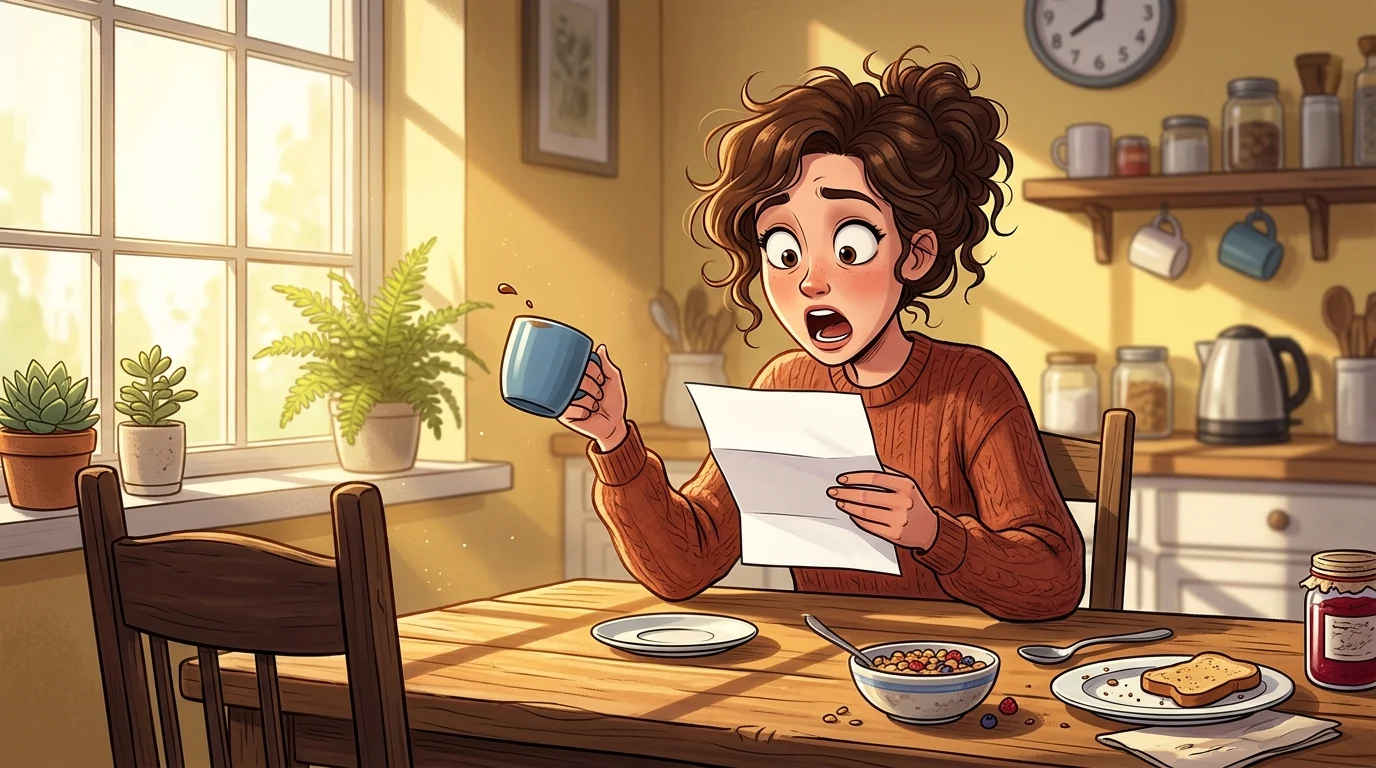
Quick Ans: The flabbergasted meaning describes a state of extreme shock and confusion. When someone feels flabbergasted, they are so surprised that they cannot think clearly or respond properly. This word captures a moment of total disbelief. It goes beyond simple surprise. It describes the kind of shock that leaves you speechless and frozen.
This guide explains everything about the word flabbergasted. You will learn its definition, origin, pronunciation, usage in sentences, and how it compares to similar words. By the end, you will know exactly when and how to use this expressive term.
What Does Flabbergasted Mean?
The flabbergasted definition is straightforward. It means to be overcome with astonishment, shock, or bewilderment. A person who is flabbergasted feels completely stunned. Their mind goes blank. They cannot process what just happened.
Imagine receiving news that changes everything in an instant. A friend tells you they won the lottery. Your boss announces a sudden promotion. Someone reveals a secret you never expected. In each case, your reaction might be described as flabbergasted.
The word carries a sense of being physically overwhelmed. The shock hits you so hard that you feel almost paralyzed. You might open your mouth without speaking. You might need a moment to collect yourself before responding.
Flabbergasted Meaning in English and Its Synonyms
The flabbergasted meaning in english connects closely to several other words. Each synonym has a slightly different shade of meaning.
Astonished means very surprised. Flabbergasted takes surprise to a higher level.
Stunned suggests a temporary inability to react. Flabbergasted often includes this element of frozen shock.
Dumbfounded implies speechlessness. A flabbergasted person usually cannot find words either.
Bewildered describes confusion. Flabbergasted combines confusion with intense surprise.
Thunderstruck suggests being hit by a sudden force. Flabbergasted carries a similar sense of impact.
Aghast leans toward horror or dismay. Flabbergasted is more neutral and can apply to positive or negative surprises.
These words overlap, but flabbergasted stands out for its playful and dramatic tone. It sounds almost like a cartoon reaction. That quality makes it memorable and fun to use.
Origin and History of Flabbergasted
The flabbergasted origin is a bit of a mystery. The word first appeared in print in the late 1700s. It emerged during a period when English speakers loved creating whimsical and exaggerated words. Many of these playful terms did not survive, but flabbergasted did.
Linguists believe the word may have started as a combination of two older terms. One possibility is that it blends flabby with aghast. Another theory suggests it combines flap with aghast. The exact roots remain uncertain, which adds to the word’s charm.
What makes flabbergasted interesting is its sound. The word itself feels dramatic. It tumbles out of the mouth with a sense of surprise built into its syllables. That phonetic quality likely helped it survive for more than two centuries.
How to Pronounce Flabbergasted
The flabbergasted pronunciation is easier than the spelling suggests. Say it as FLAB er gas tid. The stress falls on the first syllable. The middle syllables move quickly. The ending sounds like tid.
Breaking it into parts helps. FLAB rhymes with cab. ER sounds like the end of water. GAS rhymes with class. TED sounds like the name Ted. Practice saying it slowly, then speed up until it feels natural.
The word has five syllables, but English speakers often compress it in casual speech. You might hear FLAB r gas tid in fast conversation. Both versions are acceptable.
Flabbergasted in a Sentence
Seeing flabbergasted used in context makes the meaning clearer. Here are several examples that show how the word works in everyday language.
She was flabbergasted when she saw the surprise party waiting for her.
He looked flabbergasted after reading the email that announced layoffs.
The audience sat flabbergasted as the magician made the elephant disappear.
I am absolutely flabbergasted that you remembered my birthday after all these years.
They were flabbergasted by the sheer size of the crowd at the concert.
The teacher was flabbergasted when the quietest student gave a perfect speech.
Each sentence shows a moment of intense surprise. The word works in personal, professional, and dramatic situations. It fits both serious and lighthearted contexts.
Flabbergasted Meaning in Tagalog and Other Languages
People often search for translations of this word. The flabbergasted meaning in tagalog is usually expressed as labis na pagkamangha or gulat na gulat. These phrases capture the sense of extreme shock and wonder.
In Spanish, the word might be translated as estupefacto or pasmado. French uses stupéfait or abasourdi. German speakers might say verblüfft or fassungslos. Each language has its own way of expressing this intense surprise, but few words match the playful energy of flabbergasted.
The word has no direct equivalent in many languages. That uniqueness makes it special. When you use flabbergasted, you are using a term that English speakers invented and kept alive through centuries of conversation.
Flabbergasted vs Similar Words
Understanding how flabbergasted differs from related words helps you use it correctly.
Surprised is mild. You can be surprised by a small gift or an unexpected phone call. Flabbergasted is intense. It describes shock that overwhelms your entire mind.
Amazed leans positive. You are amazed by a beautiful sunset or an impressive performance. Flabbergasted can be positive or negative. It depends on what caused the reaction.
Shocked can be serious or tragic. You are shocked by bad news. Flabbergasted often carries a hint of disbelief that feels almost theatrical.
Confused means you do not understand. Flabbergasted means you understand what happened, but you cannot believe it.
Stunned suggests a short pause. Flabbergasted suggests a longer period of processing. The shock lingers.
These distinctions matter when you write or speak. Choosing the right word makes your meaning precise.
When to Use Flabbergasted
Flabbergasted works in many situations, but it shines in specific moments.
Use it when the surprise is extreme. A minor inconvenience does not make you flabbergasted. A life changing announcement does.
Use it when you want to sound expressive. The word has a playful quality. It fits casual conversation, storytelling, and humorous writing.
Use it when you want to emphasize disbelief. If you cannot wrap your mind around something, flabbergasted says it perfectly.
Avoid using it in formal or technical writing. The word is informal and dramatic. In a business report or academic paper, simpler words like astonished or surprised work better.
Flabbergasted in Popular Culture
The word appears often in books, movies, and television shows. Writers love it because it sounds fun and conveys strong emotion. Characters who are flabbergasted often react in memorable ways. They stumble over words. They freeze in place.
Social media has also embraced the term. People use flabbergasted in captions, comments, and reactions. The word pairs well with emojis and exaggerated reactions. It has become a staple of online humor.
The enduring popularity of flabbergasted shows how language can be both useful and entertaining. It is not just a word. It is a mood.
Common Mistakes with Flabbergasted
Some people misuse the word or confuse it with similar terms. Here are a few common errors to avoid.
Do not use flabbergasted to mean mildly surprised. The word requires strong emotion.
Do not confuse it with flustered. Flustered means nervous or confused in a minor way. Flabbergasted means deeply shocked.
Do not spell it as flabergasted. The correct spelling includes the double b. Flabbergasted has two b letters in the middle.
Do not forget the past tense form. Flabbergasted is the past participle. You can also say flabbergasting to describe something that causes the shock.
Conclusion
The flabbergasted meaning captures a moment of total shock and disbelief. This word describes the feeling of being so surprised that you cannot think or speak. Its origins are mysterious, its sound is playful, and its usage is flexible. Whether you are telling a story, reacting to news, or looking for the perfect word to describe your emotions, flabbergasted delivers.
Learning words like this makes language more fun. You gain a tool for expressing strong feelings with precision and personality. Next time something leaves you speechless, you will know exactly what to call it.