Quick Ans: The DTM meaning depends entirely on context, yet unlike many slang acronyms, these three letters carry remarkable versatility across texting, social media, and technical fields. It can point to someone doing too much, a serious declaration of being dead to someone, or even a music production technique. This guide breaks down every major meaning so you can decode the term no matter where you encounter it.
Understanding acronyms with multiple meanings has become a daily necessity for anyone navigating modern communication. New slang appears every week; consequently, older abbreviations accumulate layers of significance across different communities. DTM is a perfect example of this evolution. It started in casual texting, expanded into social media slang, and now carries weight in music production and even academic research. Some meanings are playful. Some are cutting. One is purely technical. Knowing which one applies can save you from an awkward misunderstanding.
The Most Common DTM Meanings
In everyday conversation, DTM most often carries one of two meanings. The first is critical and observational. The second is emotional and final.
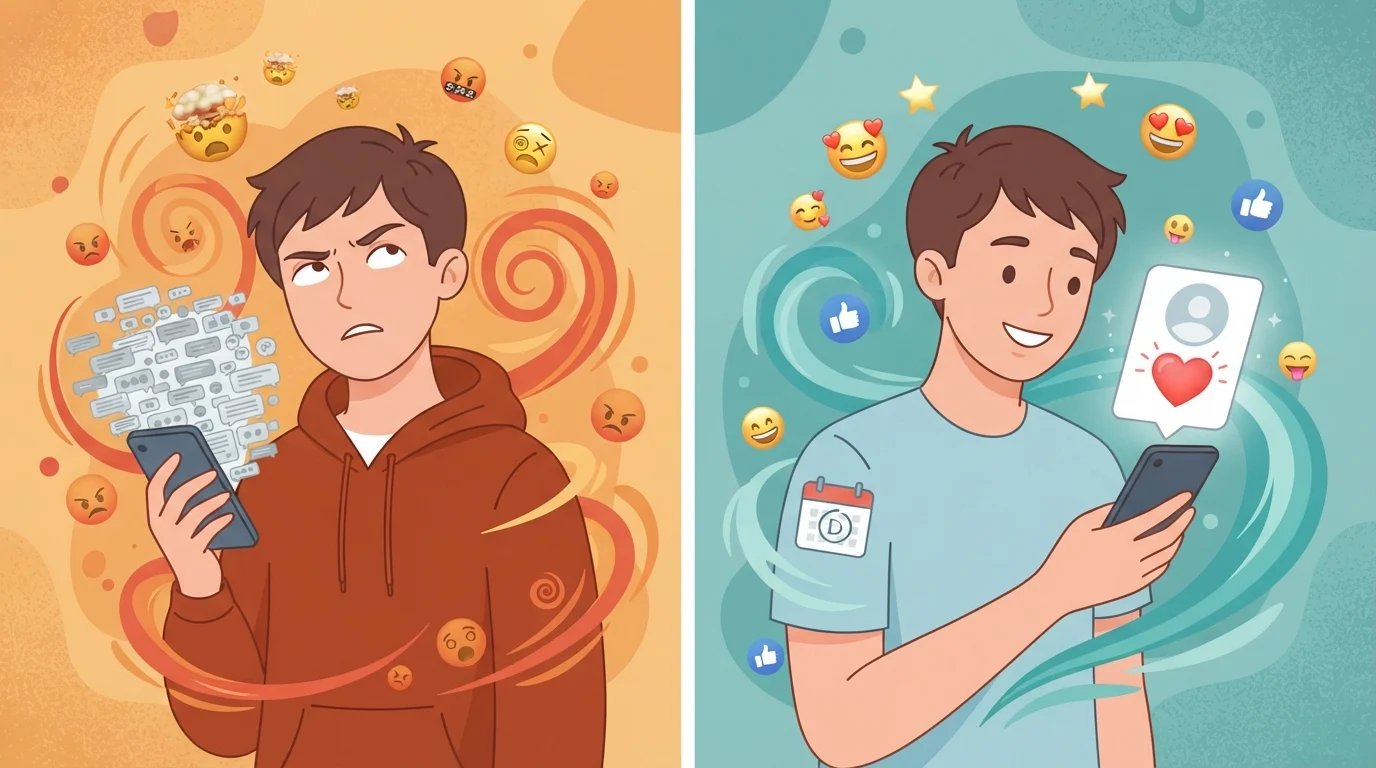
The most widespread slang definition is Doing Too Much . This phrase describes someone who is being extra, over-the-top, dramatic, or putting way more effort into a situation than it calls for . You are not merely saying someone is trying hard. You are completely calling out behavior that feels unnecessary or excessive. People use it after someone overreacts to minor issues, sends a dozen texts about a simple plan, or turns a casual event into a production. The acronym says more than “calm down” ever could.
A heavier alternative in texting is Dead To Me . This version expresses a permanent severing of a relationship, often after a betrayal or deep hurt. If someone has wronged you irreparably, you might declare them DTM to signal that they no longer exist in your emotional world. The weight comes from how final it sounds. Three letters replace an entire eulogy for a friendship.
Both meanings share a common thread. They describe a reaction to behavior. One is a reaction to excess. The other is a reaction to harm.
DTM on Social Media and in Dating Apps
DTM takes on a completely different meaning on dating apps. There, it can stand for Down To Meet . This usage signals availability and willingness to move from messaging to real life. If someone asks “You DTM this weekend?” they are checking if you want to actually meet up . It is a low-pressure way to suggest a date without formal planning.
On Snapchat and other social platforms, the “Doing Too Much” meaning dominates . A friend who sends a series of snaps showing an elaborate breakfast on a weekday might get a reply of “Wow, DTM with this breakfast” . In a more negative context, someone excessively worrying about a minor issue might hear “You’re DTM about this, it’s not a big deal” .
Another variation exists in group chats. DTM appears as friendly roasting. Someone sends their twentieth message about where to eat dinner, and finally someone replies “you’re DTM, we’ll figure it out” . The tone is teasing, not mean.
In some dating contexts, DTM has appeared as Define The Match, referring to the conversation where two people decide what their relationship actually is . This usage is less common but still circulates in dating advice circles.
How to Tell Which DTM Meaning Is Being Used
Context is everything with this acronym. The setting and tone reveal the intended meaning before the letters do.
If the message follows overreaction or dramatic behavior, the “Doing Too Much” meaning is likely. Phrases like “You’re DTM” or “That’s DTM energy” point to the critical definition . These messages often appear after someone sends excessive texts, overplans a simple event, or spirals about something minor. The tone is usually playful or mildly exasperated.
When DTM appears in a dating app conversation, the “Down To Meet” meaning usually applies. Questions like “DTM tonight?” or “You DTM this weekend?” clearly point to the availability definition . The context of making plans distinguishes this usage.
A cold, final message after a conflict likely uses the “Dead To Me” definition . The placement within a serious argument or after a betrayal is the giveaway. Look for other signals like blocking, silence, or emotional finality.
If the message sounds like a boundary request, the “Don’t Text Me” meaning becomes relevant . This usage signals frustration, a need for space, or emotional distance . It can be serious in conflicts or casual among friends in a joking tone.
When Not to Use DTM Casually
DTM does not belong in every conversation. Its most common slang meanings contain implied criticism or emotional finality. Using it at work, in school threads, or with people you do not know well can come across as rude, dismissive, or unprofessional.
There is also a technical meaning to consider. DTM stands for DeskTop Music, referring to music created using a computer . This is a legitimate production approach with software, hardware, and dedicated communities. If someone is discussing music production, treating DTM as casual slang can seem dismissive of a real creative field.
Other professional contexts use DTM as well. In academic research, DTM has appeared as a label for interview subjects in studies about relationships . In technology, DTM refers to a Dynamic Time Warping technique used in music search algorithms . Each field has its own vocabulary, and the casual versions rarely cross into these spaces.
The safest approach is to match the register of the conversation. Slang belongs in casual chats with friends. Formal writing and professional communication call for clarity over shorthand.
DTM vs Similar Acronyms
Several other acronyms overlap with DTM in digital spaces. Understanding the differences helps avoid confusion.
DTF stands for “Down To F***” and carries a purely sexual meaning. DTM as “Down To Meet” is far more innocent and focused on actual plans. The distinction is important in dating contexts.
IDK means “I Don’t Know” and expresses uncertainty. DTM as “Doing Too Much” expresses criticism of behavior. One is about confusion. The other is about excess.
NVM means “Never Mind” and signals dismissal of a topic. DTM as “Don’t Text Me” signals dismissal of a person. The difference is subtle but important.
IMO means “In My Opinion” and softens statements. DTM carries no such softener. It is blunt by design.
Why DTM Became Popular
The “Doing Too Much” version of DTM grew alongside a broader cultural love of calling out excess. Social media rewarded strong reactions. A comment that said “that’s a lot” got ignored. A comment that said “DTM” got likes. The acronym captured a feeling that felt too big to explain simply .
Dating culture and app-based communication have made descriptive vocabulary more common on social platforms. People share their reactions to dates, their frustrations with matches, and their everyday interactions in ways previous generations kept private. DTM gave this generation a quick label for a specific kind of behavior. It was not quite angry.
The acronym also spread through TikTok and Snapchat. It appeared in comments, captions, and quick replies. Three letters did the job better than a paragraph of explanation. It also created an in-group signal. Those who understood the acronym felt a small connection with the person using it .
Regional and Platform Variations
DTM does not mean the same thing everywhere. Platform culture shapes how the acronym is used.
On Snapchat, the “Doing Too Much” meaning dominates. Users call out friends for over-the-top behavior in playful or mildly critical ways .
On TikTok, DTM appears in comments under videos about drama, overreactions, or dating stories. The acronym functions as a form of solidarity. Strangers use it to say “I see what you’re doing” without writing a long response .
On dating apps like Tinder, Hinge, and Bumble, the “Down To Meet” meaning dominates. It appears in messages as a quick check for availability .
In music production communities, DTM means DeskTop Music. Discussions of software, composition techniques, and home studios use the term as a neutral technical label .
FAQs
What does DTM mean?
DTM most commonly means “Doing Too Much” in slang or “Dead To Me” in emotional contexts.
Is DTM a bad word?
No, DTM is not profane, but its meanings can be critical or hurtful depending on tone.
What does DTM mean on Snapchat?
On Snapchat, DTM usually means “Doing Too Much” to call out excessive behavior.
What does DTM mean in texting?
In texting, DTM usually means “Doing Too Much” or “Dead To Me” depending on context.
Can DTM mean something romantic?
Yes, DTM can mean “Down To Meet” on dating apps.
What is the difference between DTM and DTF?
DTM as “Down To Meet” is about plans, while DTF carries a purely sexual meaning.
Does DTM have a technical meaning?
Yes, DTM stands for DeskTop Music in production contexts.
Is DTM safe to use in professional settings?
No, DTM slang is too casual for professional communication.
Why do people say DTM on TikTok?
On TikTok, DTM appears in comments about drama, overreactions, or dating stories.
How do I know which DTM meaning is being used?
Look at the platform, the tone, and the surrounding words to determine the intended meaning.
Conclusion
The DTM meaning shifts with every context. In a group chat after a dramatic friend sends twenty texts, it means Doing Too Much. In a cold message after a betrayal, it means Dead To Me. On a dating app, it means Down To Meet. In a music forum, it means DeskTop Music. The only way to know which meaning applies is to read the setting, the tone, and the relationship between the people involved. When in doubt, a simple question clears up any confusion faster than guessing.
Slang evolves quickly, and DTM may take on new shades of meaning in the coming years. For now, these definitions cover almost every situation you will encounter. Learn them once, and you will never be lost when those three letters appear in your feed.