Quick Ans: The cheeky meaning depends entirely on context, yet unlike many slang terms, this playful British adjective carries centuries of colloquial charm and several distinct layers across cultures. It can point to playful impertinence, endearing boldness, casual indulgence, or even a flirtatious wink. This guide breaks down every major meaning so you can wield the word like a native speaker.
Understanding regional vocabulary has become a daily necessity for anyone navigating global communication. New slang appears every week; consequently, older words shift meaning as they travel across borders. Cheeky is a perfect example of this evolution. It started as a British term for insolence, then softened into affectionate teasing, and now functions as a versatile label for everything from a mischievous grin to an extra glass of wine. Some usages are critical. Some are warm. One is purely indulgent. Knowing which one applies can save you from an awkward misunderstanding.
The Core Cheeky Meanings
In everyday conversation, cheeky most often carries one of two meanings. The first is playful and impertinent. The second is indulgent and casual.
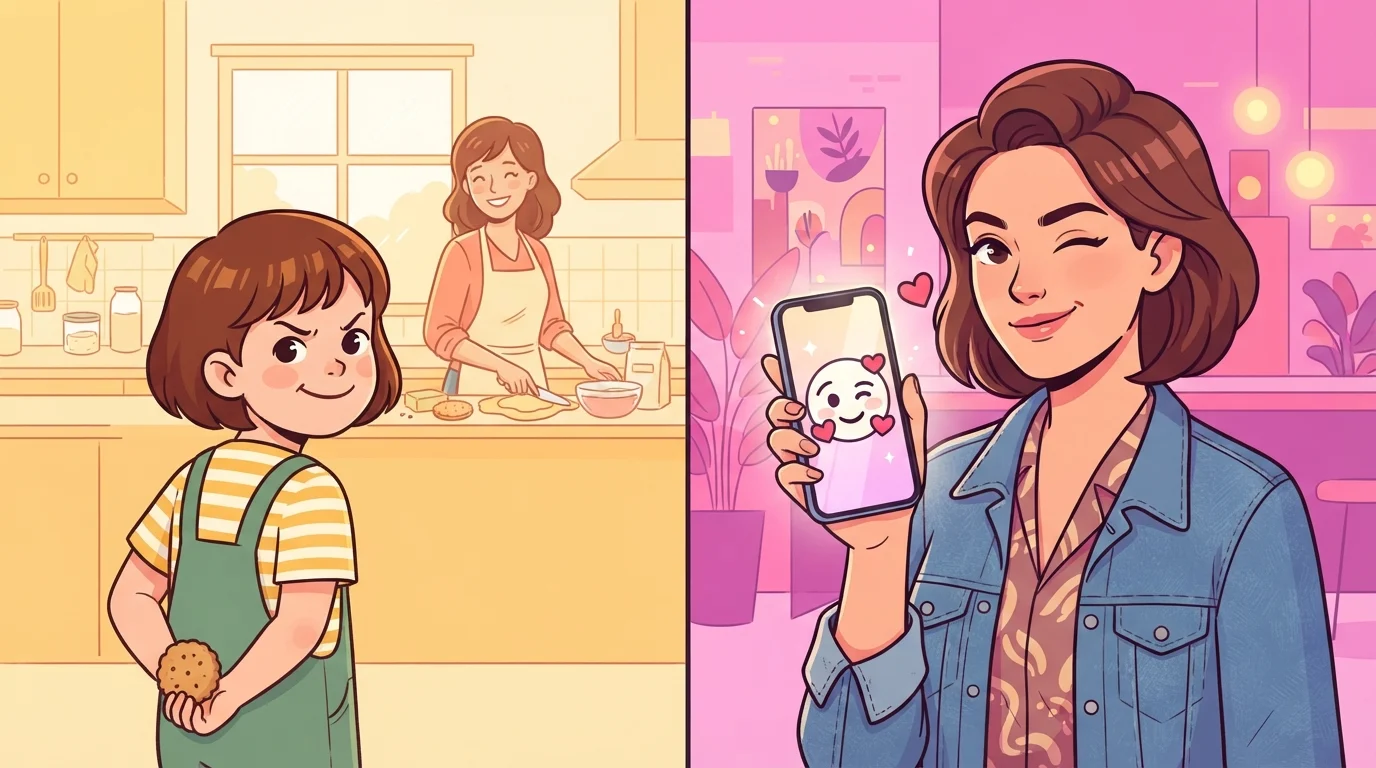
The most widespread British definition is slightly rude or disrespectful in a playful or amusing way. This phrase captures a state of endearing impertinence. You are not merely rude. You are completely mischievous in a way that charms rather than offends. People use it to describe children, comedians, and friends who push boundaries with a smile.
A lighter everyday definition is indulgent or taken without permission. This version expresses casual entitlement, often with a humorous tone. If someone grabs an extra biscuit or sneaks a nap during work hours, a friend might call it “cheeky.” The word captures a feeling that feels too big to explain simply.
Both usages share a common thread. They describe a boundary crossed with charm. One is a social boundary. The other is a personal indulgence.
Cheeky in British and Australian Culture
Cheeky takes on a distinctly regional life in British and Australian English. There, it functions as an all-purpose term of affection and mischief.
In British culture, cheeky is a national treasure of a word. It appears in advertising, comedy, and everyday banter. The phrase “cheeky Nando’s” became a viral internet phenomenon, describing an unplanned trip to the popular chicken restaurant. A “cheeky pint” refers to a casual beer. A “cheeky day off” means a spontaneous holiday. The word softens any indulgence by framing it as charmingly naughty.
In Australian culture, cheeky carries similar warmth but often leans more toward boldness. A cheeky grin signals confidence. A cheeky comment tests boundaries. The word thrives in casual conversation and sports commentary.
The cultural difference matters. In American English, cheeky is less common and can sound affected or overly British. When Americans use it, they often borrow the British sense of playful irreverence.
Cheeky on Social Media and in Memes
Cheeky takes on a visual life on social media. There, it often accompanies images of mischievous smiles, stolen snacks, and playful winks. A picture of someone holding a slice of cake with a guilty grin is captioned “cheeky.” This is the visual equivalent of the word.
The “cheeky meme” has become a cultural phenomenon in its own right. People use it to react to playful rule-breaking, adorable mischief, or moments of collective indulgence. The posts are warm, humorous, and often hilarious.
In comment sections and forums, cheeky often means “I know I shouldn’t, but I did.” People use it as a self-aware wink. It signals that the content is so relatable that nothing more is needed.
Another variation exists in flirting and dating. Cheeky can describe a playful, slightly bold comment that tests romantic interest. This usage appears in dating app messages and flirtatious banter. It signals genuine, unfiltered interest in a low-pressure way.
How to Tell Which Cheeky Meaning Is Being Used
Context is everything with this word. The setting and tone reveal the intended meaning before the word does.
If the message involves a child, a comedian, or a playful friend, the impertinent meaning is likely. Phrases like “cheeky little monkey” or “cheeky grin” point to the playful rudeness definition.
When cheeky appears in a food or indulgence context, the casual entitlement meaning usually applies. Captions like “cheeky slice” or “cheeky nap” clearly refer to the indulgent definition.
A flirtatious message that includes “cheeky” likely uses the romantic meaning. The placement within a dating app or a late-night text is the giveaway.
If the message sounds playful and appears after a bold statement, the “bold and charming” meaning becomes possible. This usage often follows a joke or a tease.
When Not to Use Cheeky Casually
Cheeky does not belong in every conversation. Its impertinent meaning contains implied disrespect and expresses playful judgment. Using it in formal writing, academic papers, or professional emails can come across as informal or inappropriate.
There is also a regional sensitivity to consider. In American English, cheeky can sound affected or overly British. In formal British contexts, it may seem too casual. Knowing the audience matters.
Other professional contexts use vivid language differently. In journalism, cheeky can appear in reviews but rarely in hard news. In legal writing, it stands out as too casual.
The safest approach is to match the register and region of the conversation. Playful words belong in casual chats with friends.
Cheeky vs Similar Words
Several other words overlap with cheeky in meaning. Understanding the differences helps avoid confusion.
Sassy means “bold and impudent.” It is more American and more attitude-driven. Cheeky is more British and more endearing. Sassy is what you call a comeback. Cheeky is what you call a grin.
Mischievous means “playfully naughty.” It is broader and less verbal. Cheeky is more social and more charming. Mischievous is what you call a prank. Cheeky is what you call a comment.
Impudent means “disrespectful and bold.” It is more negative and more formal. Cheeky softens the same behavior with charm.
Irreverent means “showing lack of respect for things usually taken seriously.” It is more intellectual and more deliberate. Cheeky is more spontaneous and more affectionate.
Why Cheeky Became Popular
The word cheeky grew alongside a broader cultural love of playful language. Social media rewarded strong reactions. A comment that said “nice” got ignored. A comment that said “cheeky” got likes. The word captured a feeling that felt too big to explain simply.
British comedy and internet culture have made descriptive vocabulary more common on social platforms. People share their indulgences, their mischief, and their everyday boldness in ways previous generations kept private. Cheeky gave this generation a quick label for a specific kind of charm.
The word also spread through advertising and memes. It appeared in slogans, captions, and viral posts. Two syllables did the job better than a paragraph of explanation.
Regional and Platform Variations
Cheeky does not mean the same thing everywhere. Platform culture shapes how the word is used.
On Instagram, the visual meaning dominates. Users talk about cheeky outfits, post memes about cheeky moods, and joke about the content they see there.
On Reddit, the analytical meaning dominates. It appears in comments as a quick summary of playful behavior. Some users pair it with other expressive words like “sassy” or “mischievous.”
On Twitter and X, the dramatic meaning dominates. Tweets often fill with “cheeky” under posts about bold fashion, stolen snacks, or unbelievable confidence.
In group chats among close friends, any of the meanings can appear. The shared context makes the intended definition obvious.
FAQs
What does cheeky mean?
Cheeky means slightly rude in a playful way, or indulgent and casual.
Is cheeky a bad word?
No, cheeky is not profane and usually carries an affectionate tone.
What does cheeky mean on Instagram?
On Instagram, cheeky refers to playful mischief or bold behavior.
What does cheeky mean in texting?
In texting, cheeky usually means playful, bold, or flirtatious.
Can cheeky mean something romantic?
Yes, cheeky can mean playfully flirtatious in romantic contexts.
What is the difference between cheeky and sassy?
Cheeky is more British and endearing, while sassy is more American and attitude-driven.
Does cheeky have a medical meaning?
No, cheeky is not a medical term and describes playful behavior.
Is cheeky safe to use in professional settings?
No, cheeky is too casual for formal professional communication.
Why do people say cheeky on TikTok?
On TikTok, cheeky appears in comments under videos about mischief, food, or flirtation.
How do I know which cheeky meaning is being used?
Look at the platform, the tone, and the surrounding words to determine the intended meaning.
Conclusion
The cheeky meaning shifts with every context. In a British pub, it means playful indulgence. In a meme, it means mischievous charm. The only way to know which meaning applies is to read the setting, the tone, and the relationship between the people involved. When in doubt, a simple question clears up any confusion faster than guessing.
Language evolves quickly, and cheeky may take on new shades of meaning in the coming years. For now, these definitions cover almost every situation you will encounter. Learn them once, and you will never be lost when this word appears in your feed.