Quick Answer: Afib meaning: atrial fibrillation, a common heart rhythm problem in which the upper chambers of the heart beat irregularly and far too fast. Instead of a steady rhythm, the heart quivers chaotically, which can reduce blood flow and raise the risk of stroke and heart failure.
If you have seen the term Afib on a medical report, a smartwatch alert, or a health article, you may have wondered whether it is something serious. The short answer is that Afib deserves attention, but it is also very common and very manageable when it is found early. This guide explains afib meaning in plain language, how it happens, what it feels like, and what usually happens next.
Afib Meaning: What Does Afib Mean?
The afib meaning is atrial fibrillation, in short. It is also written as AFib, AFib, or simply AF. The word “atrial” refers to the atria, the two upper chambers of the heart. “Fibrillation” describes a fast, disorganised quivering movement, rather than a strong, coordinated squeeze.
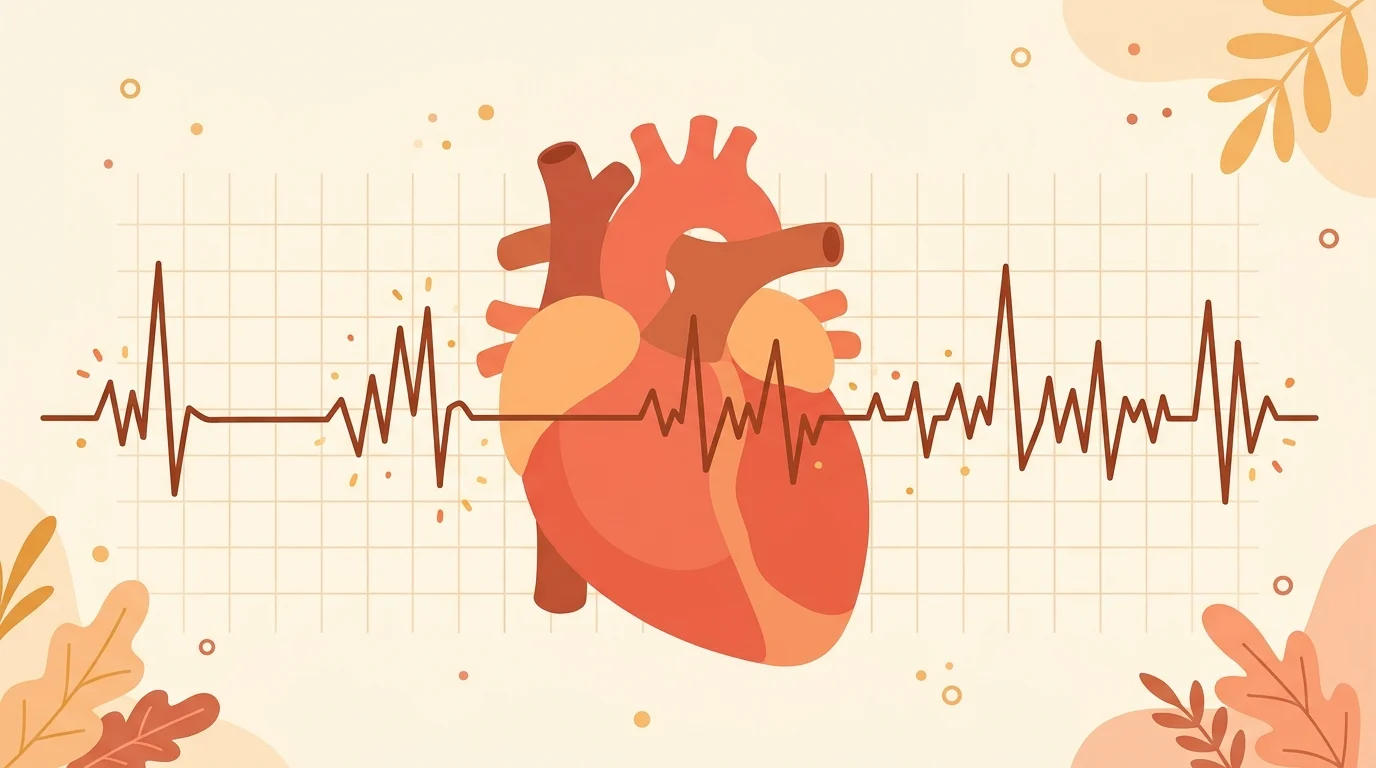
In a healthy heart, an electrical signal starts in one place, spreads evenly through the atria, and then moves to the lower chambers, the ventricles. That orderly sequence produces a steady heartbeat, usually between 60 and 100 beats per minute at rest. In Afib, many electrical signals fire at once from different spots in the atria. The atria may flutter 400 times a minute or more, while the ventricles try to keep up and beat fast and irregularly.
The result is a heartbeat that feels uneven, racing, or fluttery. Blood may not move through the heart as efficiently as it should, and blood can pool in the atria, which increases the chance of clots forming.
Types of Afib
Doctors usually describe Afib by how often it happens and how long it lasts:
- Paroxysmal Afib: Episodes come and go, often lasting minutes to hours, and usually stopping on their own within a week.
- Persistent Afib: The irregular rhythm continues for more than a week and usually needs treatment to restore a normal rhythm.
- Long-standing persistent Afib: The rhythm has continued for more than a year.
- Permanent Afib: The rhythm is accepted as ongoing, and treatment focuses on controlling the heart rate and preventing complications rather than restoring a normal rhythm.
These labels help doctors choose treatment, but they do not by themselves tell you how serious your individual case is. Two people with the same label can have very different symptoms and risks.
What Causes Afib?
Afib becomes more likely with age, and it is often linked to other heart and health conditions. Common contributing factors include high blood pressure, coronary artery disease, heart valve problems, previous heart attack, heart failure, obesity, sleep apnoea, thyroid disease, diabetes, lung disease, and heavy alcohol use. Sometimes no single cause is found, especially in younger people.
Think of it this way: anything that stretches, scars, or irritates the heart muscle, or that disturbs its electrical system, can make chaotic signals more likely. That is why managing blood pressure, weight, sleep, and alcohol intake is often part of Afib care, not just an optional extra.
Symptoms of Afib
Some people feel Afib clearly, while others feel nothing at all and only discover it during a routine check-up or through a wearable device. Possible symptoms include:
- A pounding, fluttering, or racing feeling in the chest, often called palpitations
- Shortness of breath, especially during activity
- Tiredness or reduced ability to exercise
- Dizziness or light-headedness
- Chest discomfort or pressure
- Anxiety or a sense of unease
The absence of symptoms does not mean Afib is harmless. Silent Afib can still raise stroke risk, which is why doctors take it seriously even when a person feels fine. If you notice a persistently irregular pulse, repeated palpitations, unexplained breathlessness, or chest pain, seek medical advice promptly. Chest pain, fainting, or severe breathlessness should be treated as urgent.
Why Is Afib Dangerous?
Afib itself is a rhythm problem, but its complications are what doctors worry about most. When blood pools in the atria, clots can form. If a clot travels to the brain, it can cause a stroke. Afib is linked to a substantially higher stroke risk than a normal rhythm, which is why many people with Afib are prescribed blood-thinning medicine.
Over time, a constantly fast heart rate can also weaken the heart muscle and contribute to heart failure. That is another reason treatment often has two goals at once: control the rhythm or rate, and reduce the risk of clots.
None of this means Afib is a death sentence. Millions of people live full, active lives with Afib once it is diagnosed and managed. The key difference is between untreated Afib that goes unnoticed and Afib that is monitored and treated.
How Is Afib Diagnosed?
The main test is an electrocardiogram, usually called an ECG or EKG. It records the heart’s electrical activity and shows the irregular pattern clearly. Because paroxysmal Afib comes and goes, a single short ECG may miss it. In that case, a doctor may suggest a wearable heart monitor for days or weeks, a blood pressure check, blood tests, or an ultrasound scan of the heart called an echocardiogram.
Smartwatches and fitness trackers can flag a possible irregular rhythm, but they do not diagnose Afib on their own. A flag from a device is a good reason to see a doctor, not a final answer.
Treatment and Everyday Management
Treatment depends on symptoms, stroke risk, other health conditions, and personal preference. Common approaches include medicines to slow the heart rate, medicines to restore or maintain a normal rhythm, blood thinners to prevent clots, and procedures such as cardioversion, which uses a controlled electrical shock to reset the rhythm, or catheter ablation, which targets the small areas of heart tissue that trigger chaotic signals.
Lifestyle steps also matter: keeping blood pressure under control, maintaining a healthy weight, limiting alcohol and caffeine if they trigger episodes, treating sleep apnoea, staying active as advised by your doctor, and not smoking. Many people find that tracking triggers, such as lack of sleep or dehydration, helps them understand their own pattern.
This article is for general information only and is not medical advice. Treatment decisions should always be made with a qualified doctor who knows your full history.
Afib vs Other Heart Terms
Afib is sometimes confused with other heart words. Arrhythmia is the broad term for any abnormal heart rhythm; Afib is one specific type. Atrial flutter is a related rhythm problem, but its pattern is more organised than Afib. Tachycardia simply means a fast heart rate and can happen for many reasons, including exercise or fever, without Afib being present. Palpitations describe the feeling of an unusual heartbeat, not a diagnosis by itself.
Common Mistakes About Afib
One common mistake about afib meaning is assuming Afib always causes dramatic symptoms. Many cases are silent. Another is assuming a single normal ECG rules Afib out forever, when intermittent Afib may need longer monitoring. A third is stopping prescribed blood thinners because you feel well; that decision should never be made without medical advice, because stroke risk can remain even when symptoms improve.
FAQs About Afib
What does Afib stand for?
Afib meaning is atrial fibrillation, an irregular and often rapid heart rhythm starting in the upper chambers of the heart.
Is Afib the same as AF?
Yes. AF is the standard medical abbreviation, and Afib is the more casual written form. They refer to the same condition.
Can Afib go away on its own?
Some episodes stop on their own, especially early paroxysmal Afib. But the underlying tendency often remains, so follow-up care is still important.
Can you live a normal life with Afib?
Many people do, with treatment, monitoring, and lifestyle management. Your doctor can advise on exercise, travel, and daily activities for your situation.
Does Afib always need a blood thinner?
Not always. It depends on your stroke risk score, age, and other conditions. Your doctor will weigh the benefits against bleeding risk.
Conclusion
Afib meaning is atrial fibrillation: a fast, irregular rhythm in the heart’s upper chambers that disrupts normal blood flow and raises the risk of stroke and heart failure if left unmanaged. It is common, it is often treatable, and it is important not to ignore. If you have been told you have Afib, or a device has flagged an irregular rhythm, the next step is simple and valuable: talk to a doctor, get the rhythm properly checked, and build a plan that fits your health. Understanding the word is the first step; getting checked is the one that protects you.