Quick Ans: The two-bit meaning depends entirely on context, yet unlike many slang acronyms, this is a full phrase with a rich American history. It can describe something cheap and worthless, a small-time criminal, or a nostalgic reference to old currency. This guide breaks down every major meaning and usage so you can wield the phrase like a native speaker.
Understanding idiomatic expressions has become a daily necessity for anyone engaging with literature, film, or vintage American culture. New slang appears every week; however, some phrases carry decades of cultural weight. Two-bit is a perfect example of this durability. It started as literal currency, shifted into a dismissive insult, and now carries a specific noir-era flavor. Some meanings are financial. Some are descriptive. One is purely nostalgic. Knowing which one applies can save you from an awkward misunderstanding.
The Core Two-Bit Meaning
In everyday conversation, two-bit most often carries one primary meaning. It describes something cheap, insignificant, or of low quality. You are not merely unimpressed. You are completely dismissive, as if the thing in question barely deserves attention.
The most widespread definition is “cheap, petty, or insignificant.” This phrase captures a state of dismissiveness. You are not just critical. You are completely unimpressed by something’s value. People use it to describe shoddy products, minor problems, or small-time operations. The phrase says more than “worthless” ever could.
A sharper variation in conversation is “two-bit crook” or “two-bit criminal.” This version expresses contempt for someone who is both dishonest and unimportant. If someone tries to pull a small scam, a friend might call them a two-bit hustler to signal that the scheme is beneath notice. The humor comes from how cutting it sounds. Two words replace an entire lecture about petty ambition.
Both usages share a common thread. They describe a lack of worth. One is a lack of monetary value. The other is a lack of criminal stature.
The Historical Origin of Two-Bit
Two-bit takes on a literal meaning in historical contexts. There, it referred to the value of a quarter. This is where the modern insult begins.
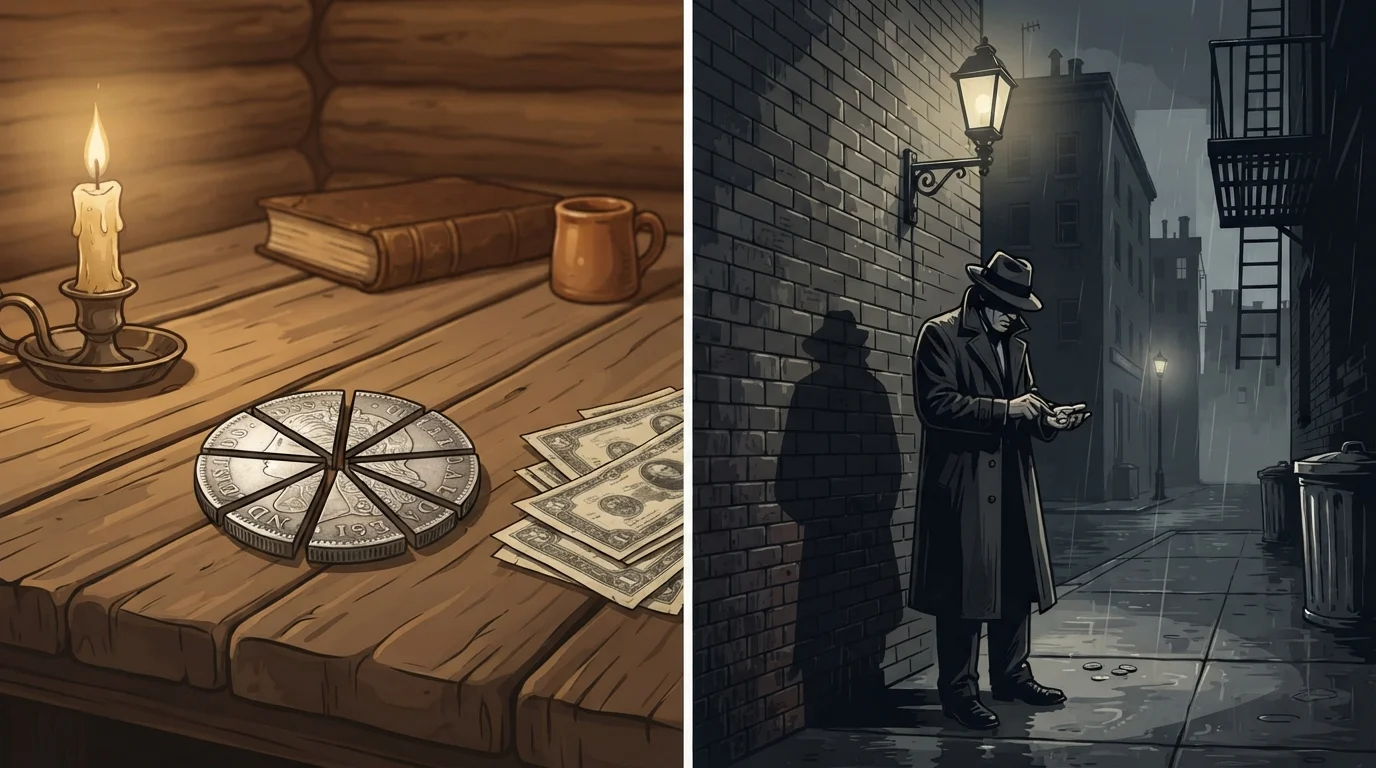
The phrase originates from the Spanish dollar, also known as the “piece of eight,” which was widely used in early America. Because the Spanish dollar was worth eight reales, it could be cut into eight pieces, each called a “bit” . Two of these bits equaled one quarter, or twenty-five cents . Therefore, a “two-bit” item was literally worth a quarter.
Over time, however, a quarter became pocket change. Consequently, “two-bit” transformed from a financial descriptor into a dismissive label for anything cheap or trivial . The phrase carries a distinctly American flavor, rooted in the currency systems of the colonial and frontier eras.
Two-Bit in Literature and Pop Culture
Two-bit takes on a memorable life in American fiction. There, it often appears in the names of characters and the descriptions of villains. A two-bit character is one who poses no real threat. This is the literary shorthand for small-time menace.
The most famous example is Two-Bit Matthews from S.E. Hinton’s novel The Outsiders . Despite the name, he is a wisecracking, likable member of the greaser gang. His nickname actually refers to his habit of carrying a two-bit switchblade, not to his worth as a person . The character illustrates how the phrase can be worn as a badge of identity rather than an insult.
In film noir and detective fiction, the phrase appears constantly. A “two-bit hood” or “two-bit chiseler” is a petty criminal, the kind who never rises above small-time schemes. The term signals the character’s place in the underworld hierarchy. It is a quiet form of dismissal from the narrator or the hero.
Another variation exists in music and theater. “Two-bit” can describe a cheap production, a shabby venue, or an act that lacks polish. This usage appears in reviews and criticism. It signals genuine, unfiltered disdain in a compact phrase.
How to Tell Which Meaning Is Being Used
Context is everything with this phrase. The setting and tone reveal the intended meaning before the words do.
If the discussion involves money, currency, or historical prices, the literal meaning is likely. Phrases like “a two-bit coin” or “two bits equal a quarter” point to the financial definition. These references often appear in historical discussions, westerns, or numismatics. The tone is usually informative.
When the phrase describes a person, the insult meaning usually applies. Labels like “two-bit crook” or “two-bit hustler” clearly point to the dismissive definition. The tone is contemptuous or mocking.
A reference to The Outsiders or similar fiction likely uses the literary meaning. Mentions of Two-Bit Matthews or greaser culture point in this direction. The tone is nostalgic or analytical.
If the phrase describes a product, venue, or operation, the “cheap and shoddy” meaning becomes relevant. Mentions of “two-bit operation” or “two-bit production” point in this direction. The tone is critical.
When Not to Use Two-Bit Casually
Two-bit does not belong in every conversation. Its most common meaning contains implied contempt and expresses a strong negative judgment. Using it to describe someone’s business, work, or character can come across as rude or dismissive.
There is also a historical meaning to consider. The phrase refers to a specific currency system that no longer exists. Using it in financial discussions today can seem outdated or confusing. It is a word for insults, not for accounting.
Other professional contexts use vivid language differently. In journalism, two-bit can appear in quotes but rarely in the reporter’s own voice. Each field has its own vocabulary, and the casual version rarely crosses into these spaces.
The safest approach is to match the register of the conversation. Vivid insults belong in casual chats with friends. Formal writing and professional communication call for clarity over contempt.
Two-Bit vs Similar Words
Several other phrases overlap with two-bit in meaning. Understanding the differences helps avoid confusion.
Cheap means “low in price or quality.” It is broader and more neutral. Someone might buy a cheap shirt, but call a scheme two-bit. The distinction is small but important for anyone choosing the right word.
Petty means “of little importance.” It implies small-mindedness rather than low value. Two-bit is more dismissive and more cultural. Petty is what happens in arguments. Two-bit is what happens in noir films.
Small-time means “of modest scale or ambition.” It is less insulting and more descriptive. A small-time farmer is respectable. A two-bit crook is not. The two can overlap, but small-time is neutral and two-bit is contemptuous.
Shoddy means “badly made or done.” It focuses on quality rather than worth. Two-bit is broader and more holistic. Shoddy is what happens to products. Two-bit is what happens to reputations.
Why Two-Bit Endures as a Phrase
The phrase two-bit endures because it attaches to things that feel timeless. Petty criminals, cheap operations, and small-time schemes exist in every era. The phrase captures a specific kind of dismissiveness that never goes out of style.
Literature and film have kept the phrase alive. The Outsiders introduced it to generations of students. Noir classics used it to describe their villains. Each new reference reinforces its cultural staying power.
The phrase also survives because it is efficient. Two syllables convey cheapness, insignificance, and contempt all at once. That kind of compression is rare and valuable in language.
Regional and Platform Variations
Two-bit does not mean the same thing everywhere. Culture and platform shape how the phrase is understood.
In American English, the phrase is most common. It carries a distinctly American flavor rooted in colonial currency.
In British English, the phrase is less common but understood through American cultural exports. It appears in imported films, books, and television.
On social media, the phrase appears in nostalgic posts, literary discussions, and vintage aesthetic content. It signals an appreciation for mid-century Americana.
In academic and literary circles, the phrase is analyzed for its class implications. It marks characters as lower-class or small-time.
FAQs
What does two-bit mean?
Two-bit means cheap, insignificant, or petty, and it originally referred to something worth a quarter.
Is two-bit a bad word?
Two-bit is not profane, but it carries a dismissive and contemptuous tone.
What does two-bit mean in literature?
In literature, two-bit describes a small-time criminal or a character of little importance.
What does two-bit mean in texting?
In texting, two-bit usually means cheap or insignificant.
Can two-bit mean something romantic?
No, two-bit carries a negative judgment and does not describe romance.
What is the difference between two-bit and cheap?
Cheap is broader and more neutral, while two-bit is more dismissive and cultural.
Does two-bit have a literal meaning?
Yes, two-bit literally refers to the value of a quarter in old American currency.
Is two-bit safe to use in professional settings?
No, two-bit slang does not belong in professional communication.
Why do people say two-bit on TikTok?
On TikTok, two-bit appears in nostalgic content, literary discussions, and vintage aesthetic posts.
How do I know which two-bit meaning is being used?
Look at the context, the surrounding words, and the tone to determine the intended meaning.
Conclusion
The two-bit meaning shifts with every context. In a historical discussion, it means a quarter. In a crime story, it means a petty criminal. According to a review, it means cheap and shoddy. In The Outsiders, it means a wisecracking greaser with a switchblade. The only way to know which meaning applies is to read the setting, the tone, and the relationship between the people involved. When in doubt, a simple question clears up any confusion faster than guessing.
Language evolves quickly, and two-bit may take on new shades of meaning in the coming years. For now, these definitions cover almost every situation you will encounter. Learn them once, and you will never be lost when this phrase appears in your feed.